Key points
- Vietnam reports a 95% completion rate for its national digital ID (VNeID) rollout
- A mandatory digital arrival card is replacing paper forms, starting at Tan Son Nhat International Airport
- Biometric verification is being added at airports in Hanoi and Ho Chi Minh City
- The push supports Vietnam's goal of welcoming 21 million visitors by the end of 2026
Vietnam modernizes its border infrastructure
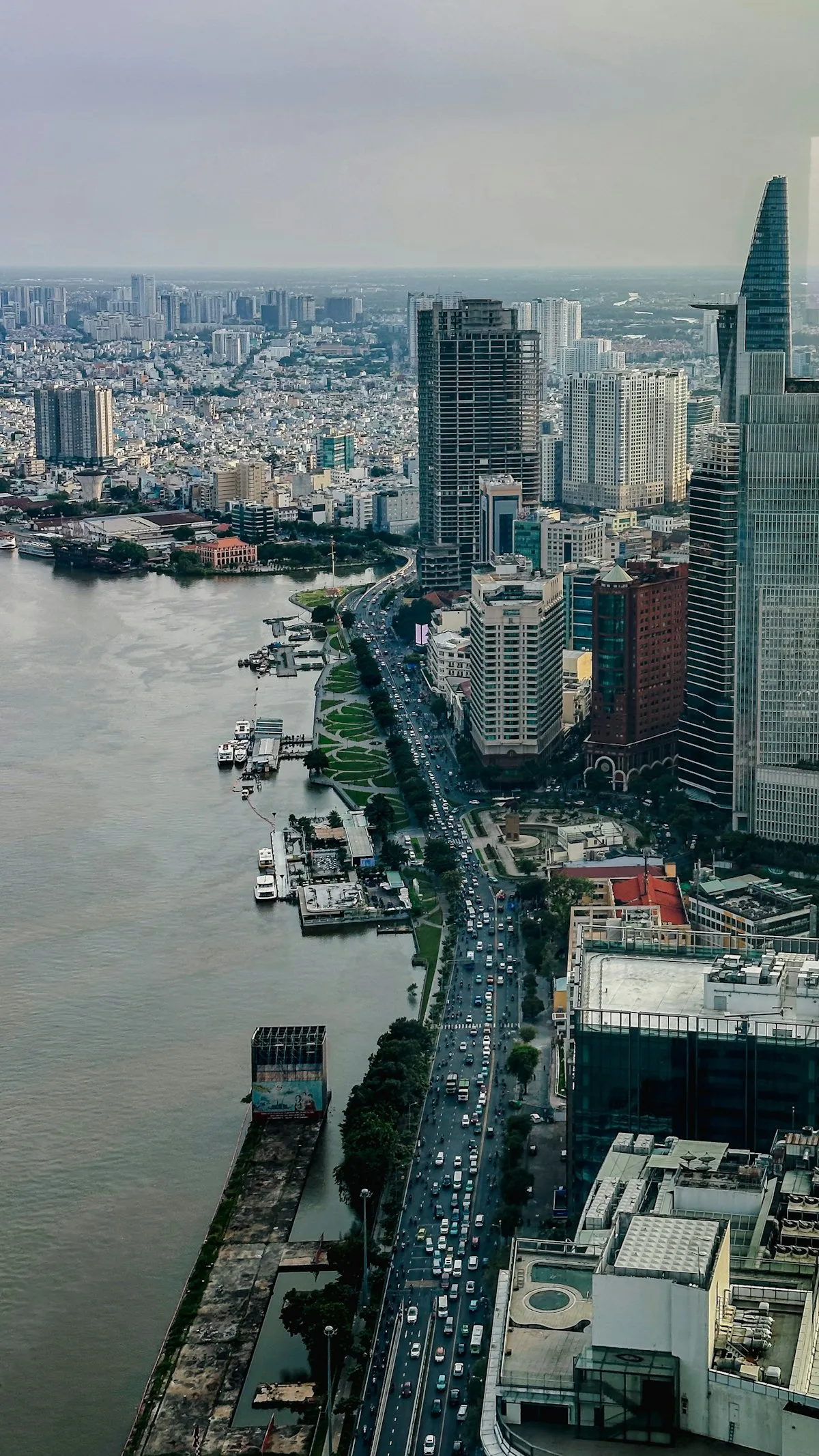
Vietnam is upgrading its border systems, reporting a 95% completion rate for its national digital ID rollout. The effort is meant to process international travelers more efficiently as the country pursues its goal of welcoming 21 million visitors by the end of 2026.
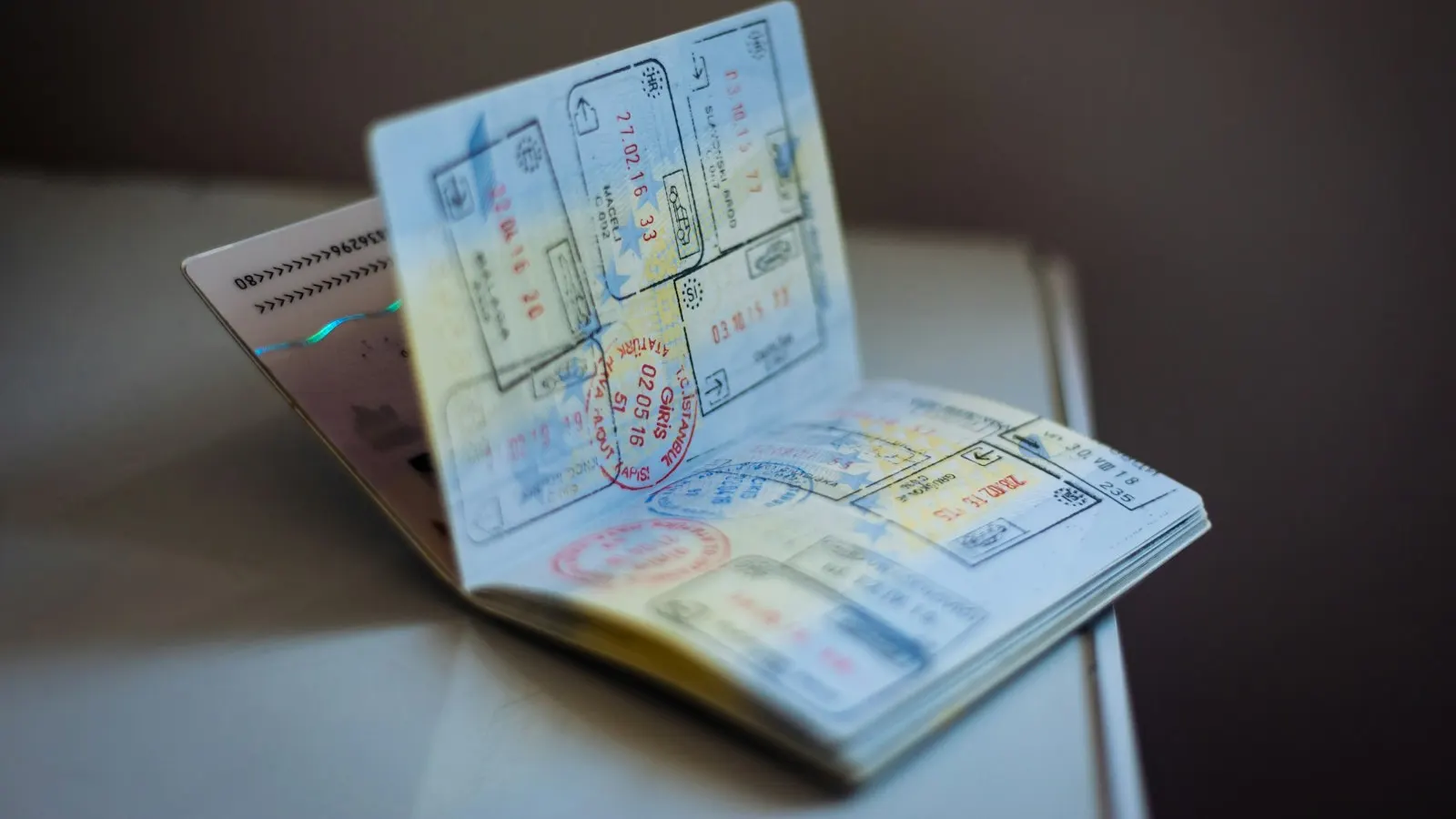
The digital identity system, VNeID, mainly serves citizens and long-term residents, but the infrastructure it creates also benefits foreign tourists. Alongside it, Vietnam has introduced a mandatory digital arrival card that replaces paper forms, starting at Tan Son Nhat International Airport, with expansion planned for Hanoi and Da Nang. Entry requirements are listed on the Vietnam page.
What is being added
- Biometric verification systems at modernized airports in Hanoi and Ho Chi Minh City
- Synchronized traveler-data checks across immigration systems
- QR-based credentials for internal travel and services in later phases
What it means for visitors
Vietnam says international travelers should see shorter immigration waits thanks to biometric scanning and pre-arrival digital declarations, tighter security from linking visa data with digital records, and smoother hotel check-ins and domestic flight boarding.
Officials from the Civil Aviation Authority of Vietnam said the aim is to “eliminate the manual friction typically found at immigration counters,” while the Ministry of Public Security said “electronic authentication is essential for our national digital transformation.”