
Remember the little paper form you’d scribble on the plane? It’s disappearing fast. Countries like Thailand, Singapore, Malaysia, India, and the Philippines now want you to fill out a digital arrival card online before you fly - and skipping it can mean being turned away at the gate.
Here’s what an arrival card is, who needs one, and how to get it right.
The short answer
An arrival card is a short form that immigration authorities use to collect information about you that isn’t already in your passport. It tells a country’s immigration authorities who you are, why you’re visiting, how long you’ll be staying, and where you'll be staying. It’s also known as a landing card, disembarkation card, or incoming passenger card. The details it asks for typically include your passport information, contact details, travel dates, your address at the destination, and sometimes health or customs declarations.
The single most important thing to know: an arrival card is not a visa. It doesn’t, on its own, grant you permission to enter a country. It sits alongside your visa or visa exemption, and in most cases, you’ll still need the right visa or travel authorization to actually get in. Think of it as the form you used to fill out on the plane, just moved online and, increasingly, required before you even leave home.
Who actually needs one?
This is where a lot of travelers get confused. Whether you need an arrival card depends mostly on where you’re going, not on your passport. If a country requires an arrival card, the rule usually applies to all arriving travelers, or all non-citizens, regardless of nationality. Your passport mainly affects the separate question of whether you need a visa.
That said, there are a few twists worth knowing. Countries generally don’t ask their own citizens to fill one out - but the Philippines is a notable exception, requiring Filipino citizens, overseas workers, and returning nationals to register too. Some countries also carve out specific exemptions: Malaysia’s arrival card applies to most foreign visitors but not to Singaporean citizens. Because these rules shift and vary by nationality, it’s always worth a quick check for your specific trip.
“Most people assume an arrival card is a formality they can knock out at the airport. What we see every day is the opposite - a mistyped passport number or a form submitted outside the 72-hour window is enough to hold someone up at boarding. The document is simple; the details are what trip travelers up. Start early, check everything twice, and make sure everyone in your group has their own.” shares Sabrina Capriles, Strategy & Operations Manager at iVisa.
Why arrival cards went digital
For decades, arrival cards were paper. You’d get one from a flight attendant, borrow a pen, and hand it over on landing. Countries are now scrapping that system for a few practical reasons: faster immigration lines, less paper waste, and cleaner data for border authorities.
The change has been quick. South Korea discontinued its paper disembarkation cards on January 1, 2026 and moved to a fully digital system. India made its e-Arrival Card mandatory on April 1, 2026, retiring a paper form that had been handed out on flights since the 1960s. Across Asia especially, digital arrival cards are now the rule rather than the exception.
Which countries require one in 2026
The list keeps growing. These are the ones travelers ask about most right now:
- Thailand - Thailand Digital Arrival Card (TDAC): required for all foreign travelers arriving by air, land, or sea, including those who don’t need a visa. It has replaced the old paper TM6 card.
- Singapore - SG Arrival Card (SGAC): mandatory for almost all foreign visitors and doubles as an electronic health declaration. Airlines now verify it at the departure gate.
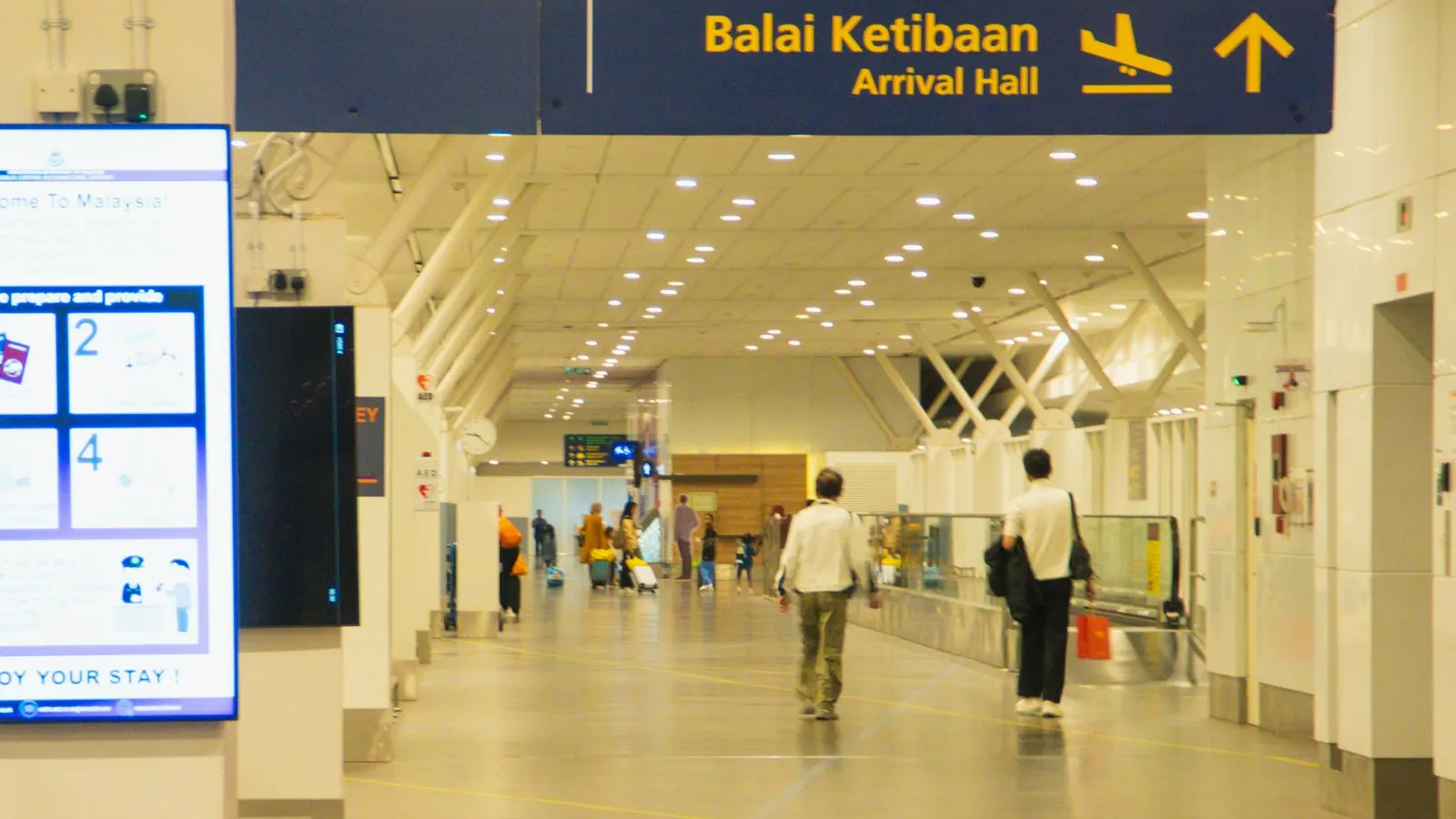
- Malaysia - Digital Arrival Card (MDAC): Required for most foreign visitors. Singaporean citizens, permanent residents, and a few other categories are exempt.
- India - e-Arrival Card: Required for all foreign travelers and OCI cardholders (Indian passport holders are exempt), and now expanded to land and sea gateways too.
- Philippines - Philippines eTravel Registration: Required for everyone, including Filipino citizens and children, both entering and leaving. It combines the arrival card, health declaration, and customs form in one.
- South Korea - e-Arrival Card: Required for most travelers, though anyone holding a valid K-ETA is exempt.
- Taiwan - Arrival Card (TWAC): Required for all foreign visitors without a resident certificate, visa-exempt travelers included.
- Indonesia - All Indonesia Arrival Card: Required for all international arrivals, combining immigration, customs, and health declarations into a single form.
A few destinations do it differently: Australia still uses a paper Incoming Passenger Card, Japan lets many travelers pre-fill their details through the Visit Japan Website, and countries like the United States and Canada have dropped arrival cards altogether. Rules change often, so this isn’t exhaustive. Always check the requirements for your destination and passport before you travel.
How it works
The process is almost always the same:
- Complete the form online, usually within 72 hours of arrival.
- Enter your passport and trip details.
- Save the confirmation you get back - normally a QR code.
Airlines increasingly check for your arrival card before letting you board, and immigration officers will ask to see it when you land. Watch out for one common trap: many of these systems only display your confirmation one. India’s e-Arrival Card, for instance, generates a QR code on submission. Close the browser without saving it and you can’t retrieve it. Screenshot it, download it, or print it before you move on.
Two things catch travelers out most often. First, the timing is stricter than it looks: submit too early and the system may reject your form, submit too late and you risk being denied boarding. So the 72-hour window matters in both directions. Second, every traveler needs their own arrival card, including infants and children traveling on a parent’s passport. There’s no single family form for most countries, so it’s easy to complete your own and forget the kids.
Can’t you just do it on arrival? In most of these countries, the old paper cards are gone - Thailand, Singapore, India, South Korea, and Indonesia have all retired them. You can often still complete the digital form after you land, at an airport kiosk or on your phone, but that usually means joining a separate, slower queue, and many airlines won’t let you board in the first place without it. A few countries, like Australia, still hand out traditional paper cards. Either way, filling it in before you fly is the difference between walking straight through and standing in line.
Getting it right
Before you travel, run through a quick checklist: confirm whether your destination requires an arrival card, check that you also have the right visa or travel authorization, complete the form from a trusted source within the deadline, and save your QR code somewhere you can find it offline. Starting early means a last-minute technical glitch won’t cost you your flight.
The official portals are free, but they’re unforgiving - across every card, the most common reason for denial or delay is a simple passport typo or a detail that doesn’t exactly match your documents. That’s where iVisa comes in: you can submit your details whenever it’s convenient, we review your form to catch errors before it’s sent, and iVisa queues the submission to land inside the correct 72-hour-window. Additionally, you can add each family member in the same session so no one gets missed. Just keep in mind that having an arrival card doesn’t automatically guarantee entry - that decision always rests with the border officials at your port of entry.
Arrival cards are a small piece of paperwork, but they’re one of the easiest things to overlook. And one of the easiest to get right once you know what to expect.