
Key points
- ETIAS is Europe's new online travel authorization for visitors from visa-exempt countries; the EU has not yet announced a start date
- A single ETIAS covers all 30 participating European countries and is linked electronically to your passport
- The government fee is expected to be EUR 20 per adult; applicants under 18 and over 70 are exempt from the fee
- An approved ETIAS is valid for three years or until your passport expires, subject to the 90-day/180-day rule
- You still need a valid biometric passport, and airlines will check for a valid authorization before boarding
Travelers planning European trips need to be aware of a coming requirement: ETIAS. The authorization is completed entirely online, but skipping it can mean being turned away at the gate.
What is ETIAS?
ETIAS (European Travel Information and Authorization System) is Europe’s pre-travel authorization for visitors from visa-exempt countries, including US citizens. It works more like the US ESTA or Canada’s eTA than a traditional visa.
You apply online, approval typically comes through within minutes, and the authorization is linked electronically to your passport.
The 30 countries where you’ll need ETIAS to enter
Austria, Belgium, Bulgaria, Croatia, Cyprus, Czech Republic, Denmark, Estonia, Finland, France, Germany, Greece, Hungary, Iceland, Italy, Latvia, Liechtenstein, Lithuania, Luxembourg, Malta, Netherlands, Norway, Poland, Portugal, Romania, Slovakia, Slovenia, Spain, Sweden, and Switzerland.
A single ETIAS covers all 30 countries.
Who needs ETIAS?
Passport holders from visa-exempt countries traveling to Europe will generally need one. That includes travelers from the US, UK, Canada, Australia, New Zealand, Japan, South Korea, Brazil, Mexico, and roughly 55 other nations.
You don’t need ETIAS if you:
- Are an EU or Schengen Area citizen
- Require or hold a valid Schengen visa or residence permit
- Are a family member of an EU citizen and hold a residence card
- Hold a passport from Andorra, Monaco, San Marino, or Vatican City
Children under 18 and travelers over 70 must still apply, but they are exempt from the fee.
When does ETIAS launch?
The EU has not announced a start date: its official guidance says ETIAS “is currently not in operation and no applications for travel authorisations are collected at this point”, and that the EU “will inform about the specific date for the start of ETIAS several months prior to its launch”. The system has faced multiple delays since it was first proposed in 2016, largely because of its technical links with the EU’s Entry/Exit System (EES), which began rolling out in late 2025 and has been fully operational since April 10, 2026.
How much does ETIAS cost?
The ETIAS government fee is expected to be EUR 20 per adult, paid to the authorities. Applicants under 18 and over 70 are exempt from this fee. The government fee is non-refundable.
If you choose to apply through a service such as iVisa rather than the official government portal, an iVisa service fee applies on top of the government fee. iVisa is a private travel-document service and is not affiliated with any government.
How do I apply for ETIAS?
The application takes about 10 minutes and involves four steps:
- Complete the online form with your personal details, passport information, and first European destination
- Answer background questions about security, health, and travel history
- Pay the government fee (and any service fee if you apply through a provider)
- Wait for approval, which most applicants receive within minutes
Your confirmation arrives by email. The ETIAS is linked digitally to your passport number, so there’s no printed document to carry, no embassy visit, and no appointment.
What documents do I need to apply?
A valid biometric passport is the only document required. Make sure it:
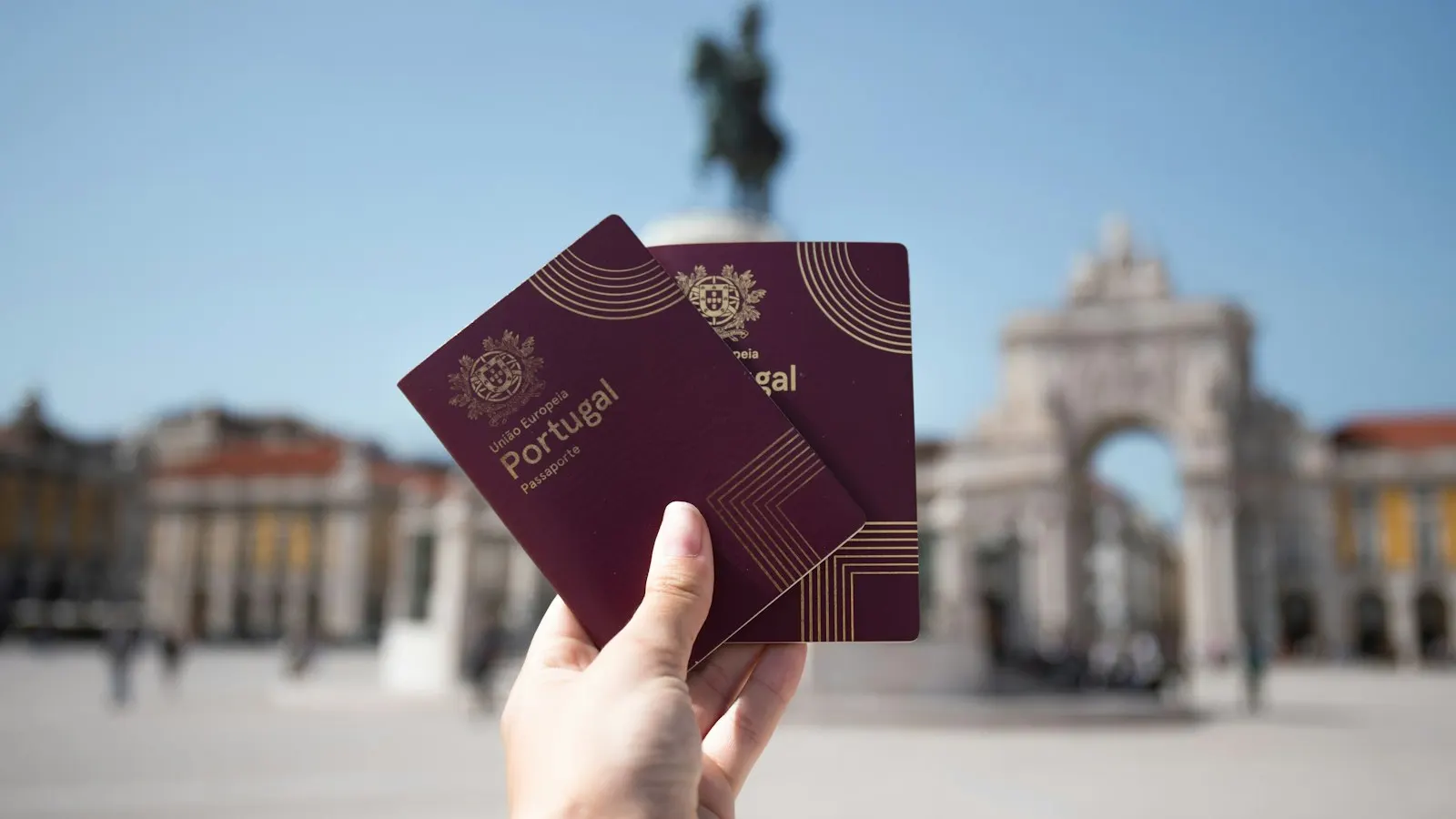
- Is chip-enabled and machine-readable, identifiable by a small gold camera-like icon near the bottom of the front cover
- Does not expire within three months of your planned departure from Europe
How long is ETIAS valid?
An approved ETIAS is valid for three years or until your passport expires, whichever comes first. You can enter Europe multiple times as long as each stay respects the 90-day/180-day rule. When you renew your passport, you’ll need a new ETIAS.
What is the 90/180 rule?
You’re allowed 90 days in any 180-day period in Europe. Looking back 180 days from any given date, if you’ve already spent 90 days in the Schengen Area, you can’t enter again until enough days fall off the rolling window.
A few things to keep in mind:
- The 180-day window resets continuously; it does not reset on January 1st
- All 30 ETIAS countries count as one zone, so moving between France, Italy, and Spain doesn’t restart the counter
- Overstaying can result in bans across the whole Schengen Area
The EU provides an official Schengen calculator to help you plan.
Why was ETIAS introduced?
Europe’s border-free travel makes it harder to track who enters and leaves between countries. ETIAS screens applicants against EU security databases, which the authorities say addresses several concerns:
- Security: Pre-travel screening flags potential security, terrorism, or public health risks before arrival.
- Overstays: Pre-arrival checks help enforce the 90-day/180-day limits and reduce unauthorized stays.
- Smoother borders: The system is meant to speed up border control and cut administrative work for officials.
- Better data: It collects more accurate traveler information.
For most travelers, ETIAS amounts to a short online formality before a trip.
Frequently asked questions about ETIAS
Do I need ETIAS if I’m just transiting through Europe?
Staying inside an airport’s international transit area without passing through border control typically doesn’t require ETIAS. But if you leave the transit area or enter any ETIAS country, even briefly, you’ll need a valid authorization.
Can my ETIAS application be denied?
Yes, though it’s uncommon. Denials happen when the system detects security, immigration, or public health concerns during its database checks. Applicants receive an explanation and information on how to appeal.
What happens if I travel without ETIAS?
Airlines check for a valid travel authorization before boarding, so you may be denied boarding without one. Even if you reach Europe, border officials can refuse entry.
Do I need ETIAS for every trip to Europe?
No. Once approved, your authorization is valid for three years or until your passport expires, whichever comes first. You can use the same authorization for multiple trips as long as you respect the 90-day/180-day rule.
Can I update my ETIAS details after applying?
Minor details such as your email address can be updated. Changes to your passport, name, nationality, or other significant personal details require a new application.
This article is intended as general guidance, not legal advice. Entry requirements can change, so check the official ETIAS and EU sources before you travel.