

Key points
- The Kenya eTA system saw widespread issues in 2026, including payment failures, photo rejections, portal glitches, and stalled processing.
- The most reported problem is a dynamic verification code at checkout that many cards cannot complete, causing payments to fail despite valid card details.
- Travelers can apply directly on the official government portal at no extra cost, or use a private facilitator like iVisa for error-checking and support.
- iVisa helps by reviewing forms before submission, correcting photos, guiding payment, and offering live support, but it cannot speed up government decisions.
- The eTA is always issued by Kenyan immigration authorities; third-party services facilitate the process, they do not replace it.
The Kenya eTA: a new system still finding its feet
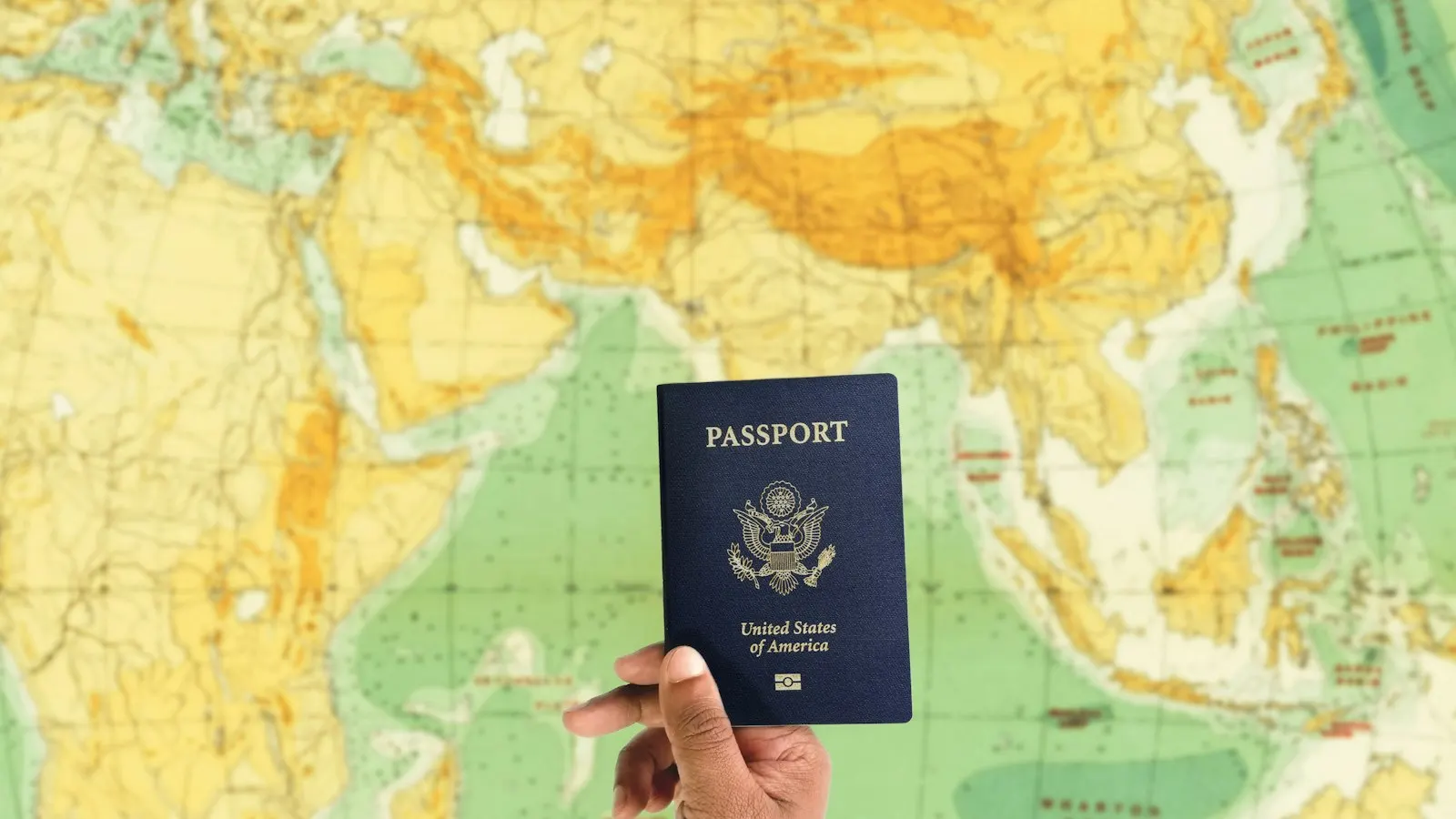
Kenya introduced its eTA to replace visa-on-arrival for international visitors. It is now mandatory for many nationalities before flying to Nairobi.
Several factors have driven the widespread issues travelers reported through 2026:
- The Kenya eTA portal is relatively new and technically unstable.
- The payment flow includes a hidden verification step that many cards cannot complete.
- Photo requirements are strict and poorly explained.
- Processing status updates are infrequent.
- There is limited official guidance for first-time applicants.
The most common Kenya eTA errors
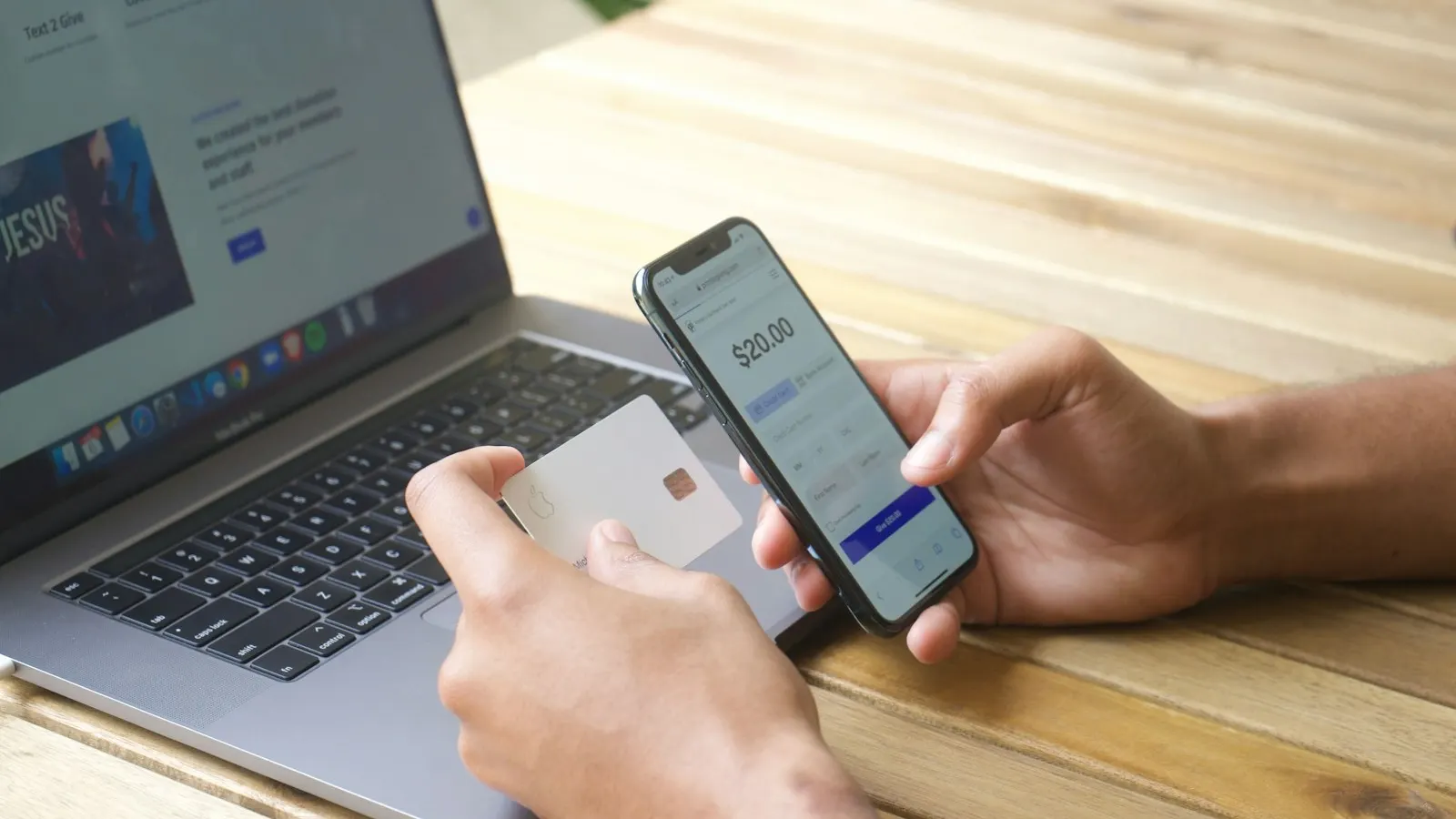
Payment failures
The most widely reported issue involves a dynamic 3-digit verification code generated during checkout that applicants cannot manually enter. As one traveler put it: “I’ve been trying to get my eTA for Kenya, and whenever I go to put my card in…the charge never shows up.”
Payments fail even when card details are correct and funds are sufficient. Several failed attempts can trigger fraud flags on the card. Temporary charges of $1 to $5 may appear and usually clear within a few days.
Photo rejections
The requirements are strict (white background, correct dimensions, no glasses, centered face) but poorly explained. Automated rejections return generic errors without specific guidance on what to fix.
Technical glitches
Pages time out mid-application, unexplained error messages appear after submission, and document uploads fail. These are system-side issues that retrying cannot reliably resolve.
Applications stuck in processing
Some applications sit in processing beyond the stated timeframe with no updates, leaving applicants uncertain about what to do next.
Why some travelers go direct, and why others don’t
Many travelers apply directly through the official website at no additional cost, and that works well for them. Others choose a private service not as an emergency fix but to avoid errors in the first place.
A reputable provider like iVisa can help by:
- Handling the payment process and navigating the backend verification steps.
- Reviewing applications before submission to catch errors.
- Correcting photos so they meet the portal’s requirements.
- Checking supporting documents for format and completeness.
- Providing 24-hour live support.
- Monitoring application status and sending updates.
Using a third-party service is legal. The eTA is still government-issued: private companies facilitate the process but do not replace the official one. They can reduce delays caused by avoidable errors, but they cannot speed up a government decision.
Quick comparison
| Factor | Government portal | iVisa |
|---|---|---|
| Cost | Government fee only | Government fee + service fee |
| Payment issues | Affected many travelers in 2026 | Handled by the service |
| Error checking | None before submission | Review before submission |
| Support | None | 24h live assistance available |
| Best for | Confident travelers applying early | Those who’ve hit errors, want guided help, or an easier experience |
Frequently asked questions
Is it legal to use a third-party service for the Kenya eTA?
Yes. Third-party services act as facilitators. iVisa helps complete and submit applications error-free, and the eTA remains issued by Kenyan immigration authorities.
Will my eTA be valid if I apply through iVisa?
Yes. The Kenyan government makes the approval decision. Applying through iVisa means a pre-submission review that reduces the risk of errors and delays.
What is the Kenya eTA processing time?
The official processing time is up to 3 working days, though many applicants receive a decision sooner. No private company can accelerate a government decision, but iVisa guides applicants through a clearer form and catches issues before they cause delays.
How do I spot a scam site?
Scam sites mimic official government branding. iVisa is transparent about being a private service, has operated since 2013, holds thousands of verified Trustpilot reviews, and uses secure HTTPS processing. Before sharing personal details, look for independently verified reviews and clear fee information.