
Key points
- The EU Entry/Exit System (EES) went operational on April 10, 2026, replacing passport stamps with digital records for non-EU travelers.
- First-time entries now capture four fingerprints and a facial image, which is adding time at Schengen border control.
- Longer queues have already caused missed flights, including a widely reported incident at Milan Linate.
- No advance action is legally required, but travelers should build in extra time and check for destination pre-registration options.
- If a delay puts a flight at risk, document the queue and keep receipts, since compensation depends on how the airline classifies the delay.
Travel alert: what the EES rollout means for your next trip to Europe
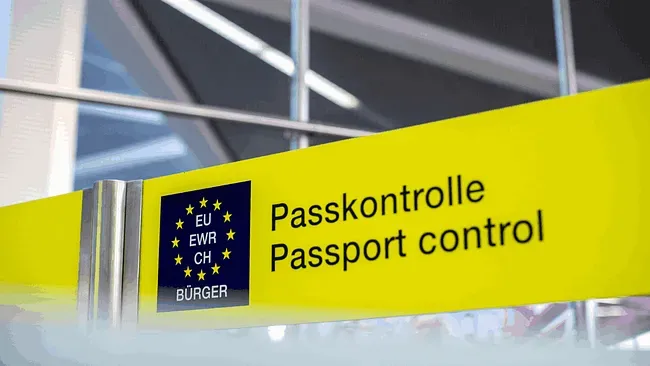
The European Union’s Entry/Exit System went operational on April 10, 2026, replacing traditional passport stamps with digital records that include facial scans and fingerprints for non-EU travelers entering the Schengen Area. If you hold a UK, US, Canadian, or Australian passport, this affects you on every Schengen entry.
What’s causing the longer queues right now?
The initial delays come mainly from first-time biometric registration. Every non-EU traveler must have four fingerprints and a facial image captured during their first EES entry. It is a one-time step, but it takes longer than a quick stamp, and that adds up across a full flight of arrivals.
One example already made the news: at Milan Linate, over 100 passengers faced hours-long waits. Airline crew duty-hour rules sometimes force a departure before every passenger has cleared border control, so a slow queue can leave some travelers watching their flight leave without them.
What’s changed that travelers should be aware of
- First entries take extra time for biometric registration.
- Fast-track security lanes do not cover passport control.
- Airlines may treat EES-related delays as circumstances beyond their control, which can affect whether you’re eligible for delay compensation.
- It’s worth reviewing your travel insurance policy to confirm you have adequate coverage.
Practical steps to help your journey go smoothly
- Add an extra hour to your usual airport arrival time.
- Check whether your destination country offers a pre-registration option, which some make available around 48 hours before travel.
- Head straight to immigration once you clear security screening.
- If a missed flight starts to look likely, photograph the queue conditions with a visible airport clock for a timestamp.
- Keep all receipts in case you need to file an insurance claim.
If a flight looks genuinely at risk, photograph the queue with the airport clock in frame, ask staff about priority lanes for imminent departures, and hold on to your documentation.
This is general guidance rather than legal advice. Rules and rollout conditions can change, so check the official government website of your destination around 48 hours before you travel.
Quick answers to the questions we’re hearing most
Does EES apply to me?
If you hold a non-EU passport, including UK, US, Canadian, and Australian, yes. It applies every time you enter the Schengen Area.
Do I need to do anything before I travel?
No action is required in advance, but checking whether your destination country offers a pre-registration option is worth the five minutes.
What if I miss my flight because of a queue?
Document everything, contact your airline immediately, and check your travel insurance policy. Compensation eligibility will depend on how your airline classifies the delay. Having evidence matters.
A note from iVisa
“A rollout of this scale was always going to come with an adjustment period, and what we’re seeing right now reflects that.” — Victor Gimenez, iVisa Head of Customer Experience
Read next: Travelers are searching for ETIAS. The system actually stranding them is EES.