Key points
- From April 2025, everyone visiting the UK without British or Irish citizenship needs a UK ETA.
- Non-EU citizens could begin applying from November 27, 2024.
- iVisa Co-Founder Sergio Merino questions whether security is the true motivation behind the scheme.
- The UK ETA follows patterns already set by Australia's ETA and the US ESTA.
- Revenue, tourism promotion, and diplomatic leverage appear to matter as much as border security.
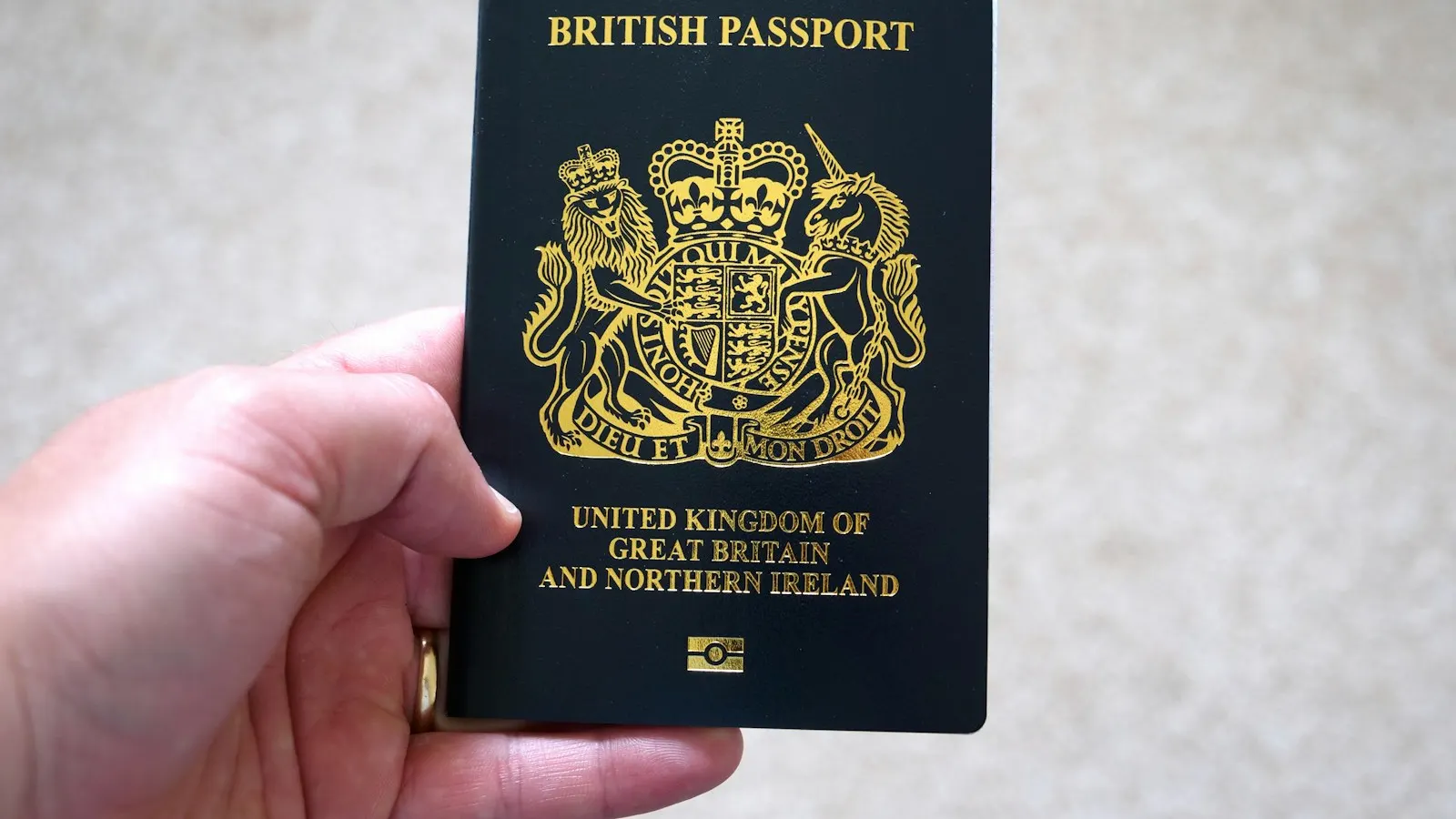
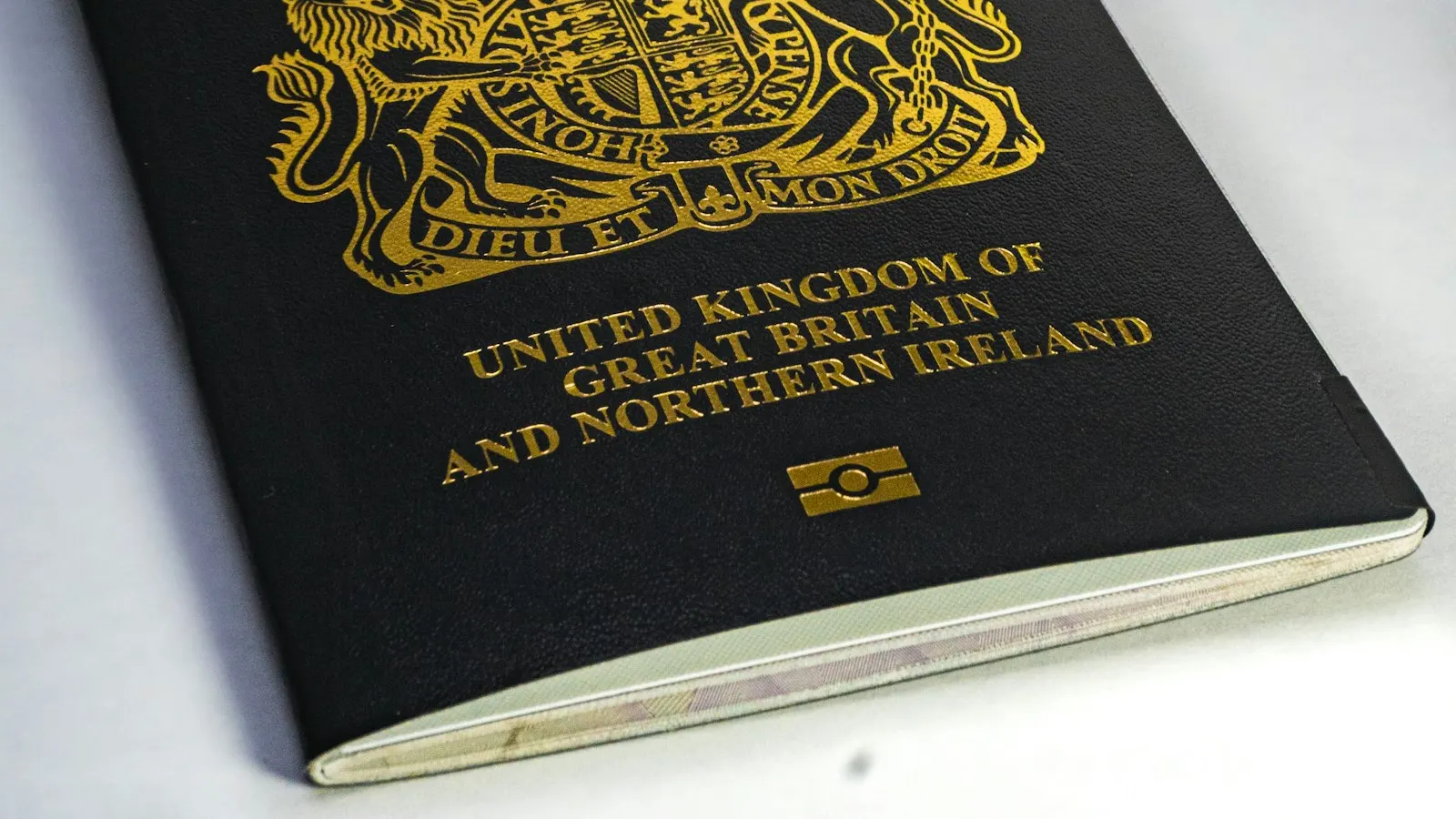
By April 2025, every visitor to the United Kingdom who is not a British or Irish citizen will need a UK ETA before arrival. Non-EU citizens could start their applications from November 27, 2024. Those are the practical facts, but they are not the whole story.
As Co-Founder of iVisa, I have spent more than a decade watching how governments manage the movement of people across borders. I also watched one of the EU’s founding members leave the bloc after Brexit. So when the UK announced its Electronic Travel Authorisation, my first questions were not only about timing, cost, and how to apply. The question that stayed with me was simpler and harder: why has the UK decided to introduce this ETA, and does it truly serve the purpose it claims?
To answer that, it helps to look at the systems the UK is following.
The Australian ETA: a precedent for control and revenue
Australia was the pioneer of electronic immigration systems, launching its ETA in 1996. At the time it was a practical solution to manage the anticipated influx of travelers for the 2000 Olympics. In its early form it was built directly into the booking process, almost invisible to the traveler.
Over time the program grew, and it began charging fees. Today it generates roughly £200 million a year from around 10 million eligible travelers, and that revenue helps fund the promotion of Australian tourism. Security may have been the initial driver, but financial and political factors have become just as important.
The US ESTA: security or economics?
The United States introduced ESTA in 2008, framed as a response to the terrorism of 9/11 and a matter of national security. That framing was understandable given the moment.
Yet by 2010, under the Travel Promotion Act, the US began charging for ESTA and directed the revenue toward promoting tourism. The program now brings in around £300 million a year. It has also become a political tool: applicants from sanctioned countries such as Cuba can be denied. That tells you something important. These authorizations are as much about diplomacy and economics as they are about security.
The UK ETA: a political and economic move?
Following the Australian and US examples, the aftermath of Brexit gave the UK both the opportunity and the motivation to tighten its own immigration controls.
There is one notable difference. Where the US initially offered ESTA for free, the UK charges from the start. That suggests the UK has learned from its counterparts: travelers will pay for entry. With an estimated 20 million applicants a year, the UK ETA is projected to raise roughly £200 million for the government, money that will likely support tourism promotion in the same way other countries have done.
Then there is the diplomatic dimension. ETAs help shape relations between countries. By requiring full visas from some nationalities while granting ETA eligibility to others, a government can apply pressure or extend goodwill. That is leverage, not just logistics.
The bigger picture: are ETAs really about security?
With the EU now rolling out ETIAS, electronic travel authorizations are becoming the global norm. But I keep returning to the same doubt about what really drives them.
Security is part of the equation. The broader motivation, though, looks political and economic: generating revenue, promoting tourism, and exercising diplomatic influence. If security were the sole concern, you might expect more unified international collaboration rather than a patchwork of independent national systems each collecting its own fees.
My conclusion is that the UK ETA is best understood as a financial and diplomatic strategy wrapped in the language of security. It is a pattern we have seen before, and one we will undoubtedly see again.
About the author
Sergio Merino is Co-Founder of iVisa, with more than 15 years of experience as an engineer, startup founder, and product director. A graduate of Harvard Business School and the Universidad Politécnica de Madrid, his work focuses on simplifying complex systems. You can connect with him on LinkedIn.