Key points
- The US B1/B2 visa is a secure foil sticker placed in your passport, holding your photo, personal data, and machine-readable coding.
- The official visa number is the eight-character code printed in red ink in the bottom right corner, separate from the black control number near the top.
- The expiration date is when you can request entry, not how long you can stay; a border officer decides the length of each visit, usually up to 180 days.
- Check every field against your passport, since even a minor typo can stop you at check-in.
- If you find an error, contact the issuing US embassy or consulate for a correction before you travel.
What a US B1/B2 visa looks like in your passport
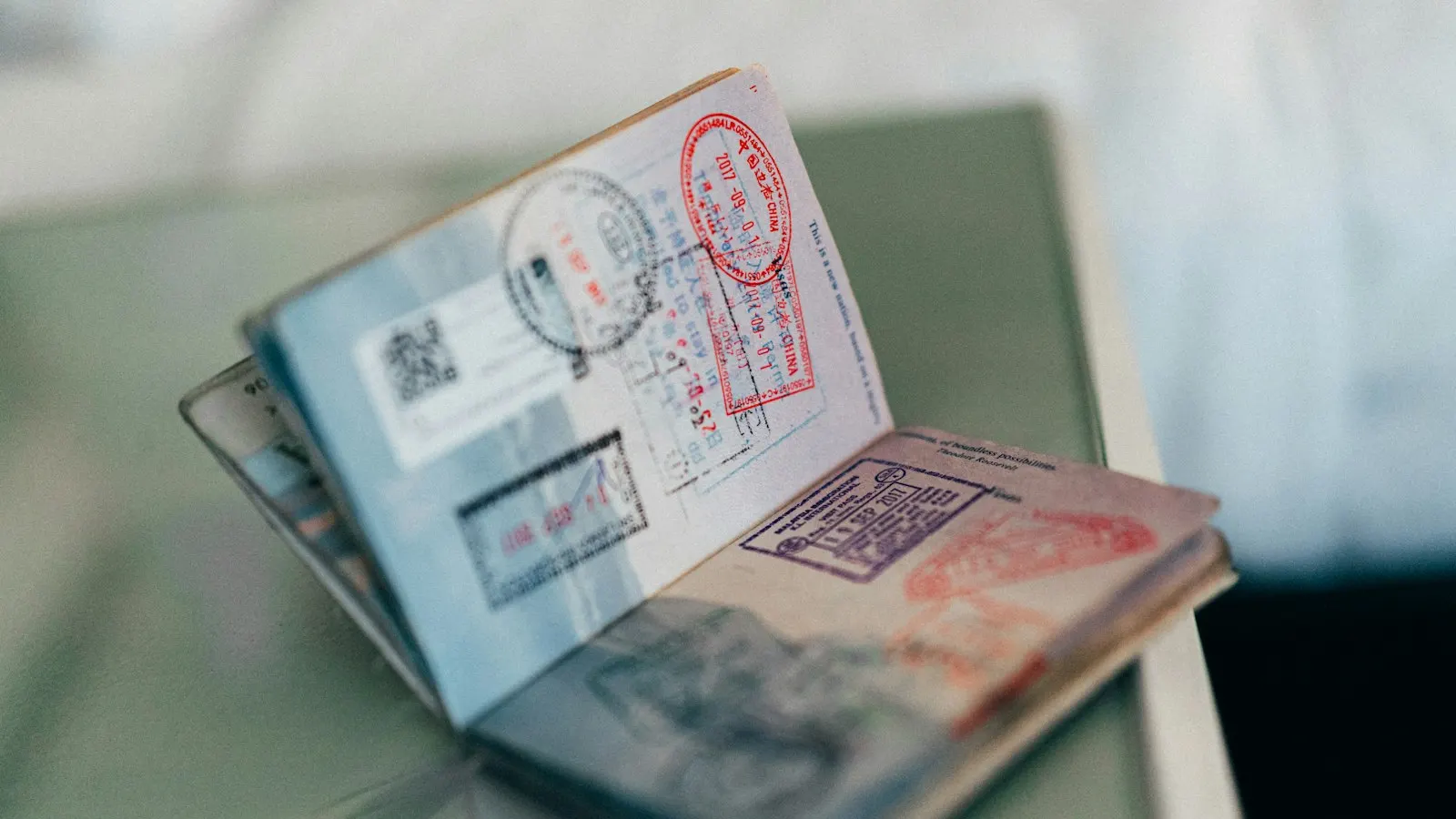
A US B1/B2 visitor visa is a physical foil, which is a highly secure, printed sticker that a US embassy or consulate places directly onto an empty page inside your passport. It holds your photograph, your personal data, and special coding that border officers scan when you land in the country.
Before you book any flights, look closely at your visa sticker to confirm these details are completely correct:
- Your full name matches the spelling on your passport data page exactly.
- Your passport number is written correctly without missing digits.
- Your nationality matches your current citizenship.
- Your visa class shows the correct category you were approved for.
- Your date of birth is correct and matches your records.
If you spot even a minor spelling mistake, you should get it fixed before you pack your bags.
Finding the visa number on a US visa stamp
Many travelers confuse the different numbers printed on their visa sticker. The official US visa number is the eight-character code printed entirely in red ink in the bottom right corner of the document. It usually consists of a single letter followed by seven numbers, though it can sometimes be made up of eight numbers.
This number is important because you will need it to fill out airline travel forms, submit future visa renewals, or reference your history on official US government portals. It is a completely separate reference from your passport number or your application ID.
The difference between the visa number and the control number
Another number you will see on the sticker is the visa control number. It is easy to confuse this with your visa number, but they serve different purposes:
- The visa number: This is the red number in the bottom right corner that you use for standard travel forms and tracking.
- The control number: This is a longer, 11-digit or 14-digit number printed in black ink near the top of the sticker. The US Department of State uses this number strictly for internal tracking, and everyday travelers rarely need to use it.
Understanding your issue date and expiration date
Your visa sticker lists two major dates that dictate when you can travel:
- Issue date: The exact day the US embassy printed and finalized your visa.
- Expiration date: The final day you are allowed to show up at a US border crossing or airport to request permission to enter the country.
Keep in mind that the visa expiration date is completely separate from your allowed stay length. A 10-year visa window means you can use that document to travel to a US port of entry for a decade. However, the exact number of days you can remain inside the country on a single visit (usually up to 180 days) is decided by the border officer when you arrive.
A field-by-field guide to reading your US B1/B2 visa
To help you review your passport stamp quickly, here is a breakdown of where to find each field and what it means:
| Field | Where to find it | What it means |
|---|---|---|
| Surname and given name | Near the center beneath your photo | Must match your passport exactly |
| Nationality | Directly below your name | Your country of citizenship |
| Passport number | Lower left portion of the sticker | Matches your physical booklet |
| Visa number | Bottom right corner, in red ink | Your official visa reference |
| Control number | Near the top right, in black ink | Government internal tracking number |
| Visa class | Right side under the “visa type/class” heading | Displays B1/B2 for business and tourism |
| Entries | Next to the date section | “M” for multiple entries; “1” or “2” limits you to one or two uses |
| Issuing post | The very bottom line | The city where the US embassy or consulate processed your file |
If the entries field shows an “M,” you can visit the US several times before the expiration date. A “1” or “2” means you can only use the document once or twice.
What to do if your visa sticker has incorrect details
Airlines and border protection officers check visa stamps very strictly. Even a minor typo can cause check-in computers to flag your profile, which could prevent you from boarding your flight.
If you find an error on your newly issued visa, take these steps right away:
- Do not attempt to travel with the mistake.
- Contact the specific US embassy or consulate that issued your visa. You can find their location printed on the bottom line of the sticker.
- Explain the typo and request a correction appointment.
- Bring your passport, your visa sticker, and your original application papers to the embassy so they can print a corrected foil for you.
FAQs
Where is the visa number on a B1/B2 visa?
The visa number is printed in red ink in the bottom right corner of your visa sticker. It is usually eight characters long and contains a mix of letters and numbers.
Is the control number the same as the visa number?
No. The red number in the bottom right corner is your actual visa number. The control number is printed in black ink near the top of the sticker and is used only by the government for internal tracking.
What does “M” mean under the entry field?
The letter “M” stands for multiple entries. It means you can use the visa to travel to the United States as many times as you like before the printed expiration date, as long as border officers approve each visit.
How long can I stay in the US if my visa is valid for 10 years?
The 10-year validity period only shows how long the visa remains active for travel. Your actual length of stay for an individual visit is decided by a border officer when you arrive, which is typically a maximum of 6 months.
Why apply with iVisa
Getting a US visitor visa involves a lot of moving parts, from filling out the long online DS-160 form to handling complex document uploads. Mistakes along the way are a common reason why applications face unexpected delays or denials.
When you apply through iVisa, we work to make the process simpler:
- Clear form translation: We turn complicated government questions into simple, understandable language.
- Complete error checks: Our visa specialists review your application to fix typos and missing data before submission.
- Interview scheduling: We help book your mandatory biometric and embassy interview appointments on your behalf.
- Custom prep guides: You will receive a simple checklist of what documents to carry, plus tips to help you answer interview questions confidently.
Note that iVisa is a private travel-document service and is not affiliated with any government. Government visa fees are separate from and additional to the iVisa service fee. Entry decisions always rest with US border officers.
Need help with your US B1/B2 visa?
If you have questions about your visa details, the application process, or what to do next, our team can help. Contact us anytime via iVisa chat or WhatsApp.