Key points
- The key change: The US State Department will extend its mandatory social media review to I visas (foreign journalists and media professionals), TN visas (Canadian and Mexican professionals entering under the US-Mexico-Canada Agreement), and TD visas (their accompanying spouses and minor children), effective October 1, 2026.
- What applicants must do: All I, TN, and TD visa applicants must set the privacy settings on every social media account to "public" or "open" to allow consular officers to review their online presence as part of the visa adjudication process.
- No published criteria for refusal: The US State Department has not released a specific list of disqualifying content. Information deemed inconsistent with an application, flagged as a security concern, or suggestive of activity that could threaten the United States may lead to delays or denial at the consular officer's discretion.
- Part of a broader pattern: The social media vetting program began with F, M, and J student and exchange visitor visas in June 2025 and has been progressively expanded to cover most major non-immigrant visa categories processed at US consulates worldwide.
The expansion adds foreign media representatives and USMCA professionals to a vetting program that has grown in four stages since June 2025
The US State Department announced on September 18, 2026, that it will extend its mandatory online presence review to three additional non-immigrant visa categories from October 1, 2026: I visas for foreign media representatives, TN visas for Canadian and Mexican professionals, and TD visas for their dependents. The announcement was published on the US State Department’s official visa news page.
Before October 1, 2026, applicants for I, TN, and TD visas were not subject to the mandatory social media screening program. After that date, all applicants in these categories must make their social media profiles publicly accessible so that US consular officers can examine them as part of the visa adjudication process.
The US State Department framed the expansion in the same national security terms it has used for each previous round. The official announcement states that “every visa adjudication is fundamentally a national security decision” and that “receiving a U.S. visa remains a privilege granted at the government’s discretion, not an entitlement.”
Which visa categories are affected by the October 1 expansion?
Three non-immigrant visa classifications were added to the social media vetting program on October 1, 2026.
I visas are issued to foreign journalists and media professionals working temporarily in the United States, including reporters, film crews, and other representatives of foreign media outlets. TN visas are issued to Canadian and Mexican professionals entering the United States under the US-Mexico-Canada Agreement (USMCA), the trade agreement that replaced NAFTA. TD visas are issued to the accompanying spouses and minor children of TN visa holders.
The addition of TN and TD visas is notable because Canadian and Mexican professionals are the sole nationalities eligible for these categories under the USMCA framework. The expansion therefore directly targets a defined group of cross-border workers and their families.
What must applicants do with their social media accounts?
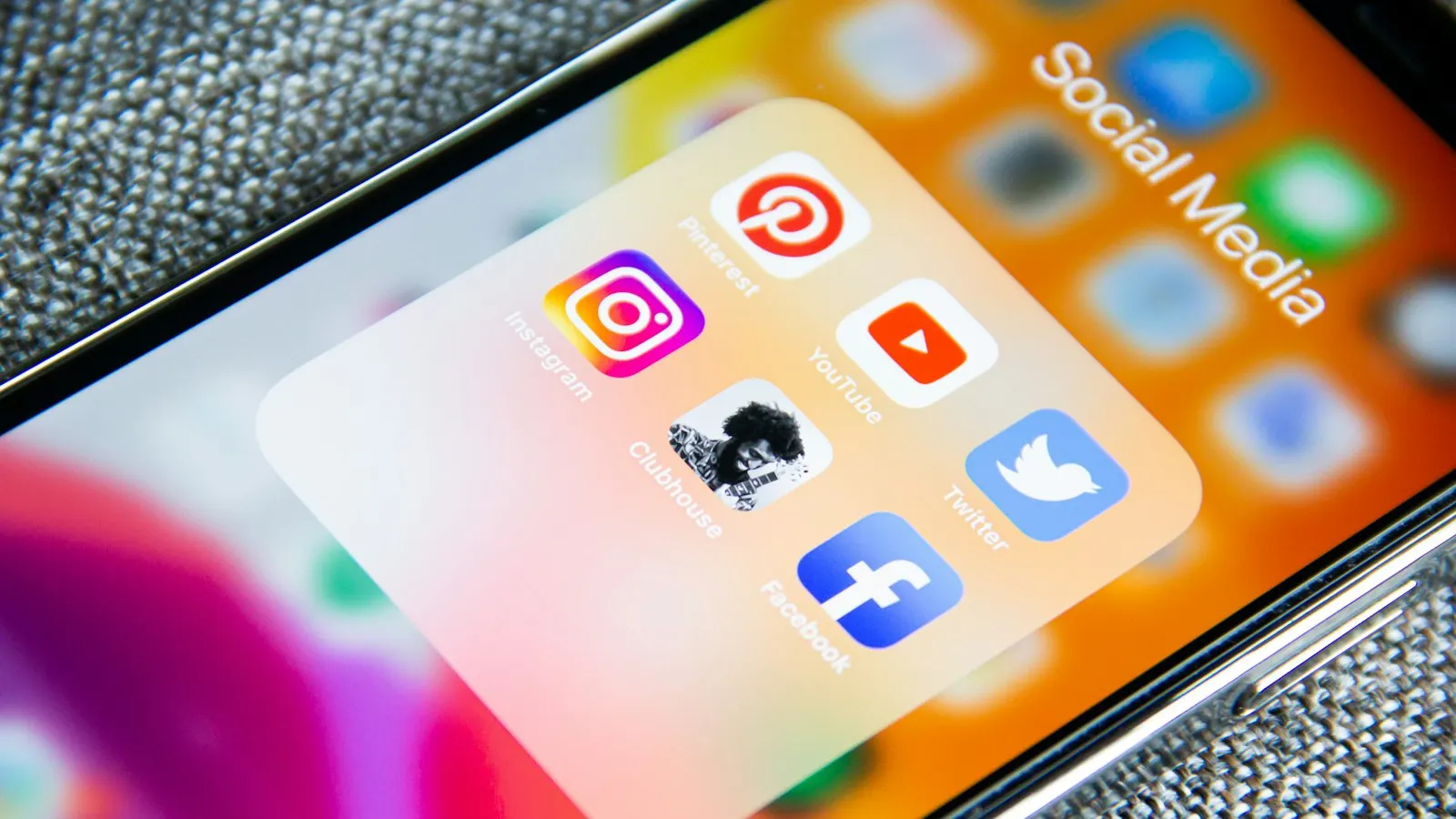
All I, TN, and TD visa applicants must adjust the privacy settings on every social media profile they hold to “public” or “open” before their consular appointment. This allows consular officers to review posts, photos, comments, and affiliations across platforms including Facebook, Instagram, X, YouTube, TikTok, and LinkedIn.
The requirement applies for the duration of the visa application process. Applicants whose accounts remain set to private risk being treated the same way as any applicant who fails to provide requested information, according to a June 2025 US State Department cable that established the original vetting framework for student visas.
Applicants for the DS-160 non-immigrant visa application form have been required to disclose their social media usernames and handles for several years. The current policy goes further by requiring those accounts to be fully accessible for consular review.
What are consular officers looking for?
The US State Department has not published a specific list of content that will automatically trigger a visa refusal. The department has stated broadly that it uses “every available source of information during visa screening and vetting to identify applicants who may be inadmissible to the United States, including those who pose a threat to national security or public safety.”
The June 2025 cable that launched the program for student visas described the goal as ensuring applicants do not express hostility toward US citizens, institutions, or founding principles, and that they do not support designated terrorist organizations. The cable also referenced screening for antisemitic harassment or violence.
In practice, information deemed inconsistent with a visa application, flagged as a general security or public safety concern, or suggestive of activity posing a threat to the United States could result in delays, administrative processing under Section 221(g) of the Immigration and Nationality Act, or outright denial. Consular officers retain broad discretion in how they interpret what they find.
Which visa categories were already subject to social media vetting?
The October 1 expansion is the fourth round since the program launched in June 2025. Each phase has added categories while keeping the same core requirement: set all social media to public for consular review.
| Phase | Effective date | Visa categories added |
|---|---|---|
| Phase 1 | June 18, 2025 | F-1, F-2, M-1, M-2, J-1, J-2 (students and exchange visitors) |
| Phase 2 | December 15, 2025 | H-1B, H-4 (specialty workers and dependents) |
| Phase 3 | March 30, 2026 | A-3, C-3, G-5, H-3, K-1, K-2, K-3, Q, R-1, R-2, S, T, U (diplomatic staff, fiancé(e)s, religious workers, trainees, cultural exchange, witnesses, trafficking and crime victims) |
| Phase 4 | October 1, 2026 | I, TN, TD (foreign media, USMCA professionals, dependents) |
The program now covers nearly every major non-immigrant visa classification processed at US consulates worldwide. Notable categories that remain outside the program include B1/B2 (business and tourist visas), L-1 (intracompany transferees), and O-1 (individuals with extraordinary ability), though the US State Department has not stated whether further expansions are planned.
Does this affect travelers entering the US under the Visa Waiver Program?
The social media vetting expansion does not apply to nationals of Visa Waiver Program (VWP) countries who enter the United States on an ESTA (Electronic System for Travel Authorization) rather than a visa. Citizens of the United Kingdom, most EU member states, Australia, Japan, South Korea, and other VWP countries traveling to the US for short business or tourism stays are not subject to the mandatory public-profile requirement.
However, all ESTA applicants have been required to provide social media identifiers on the application form since 2019. That disclosure is technically optional, but the field is prominently displayed. The key distinction is that ESTA applicants are not required to set their accounts to public, whereas applicants in the covered visa categories must do so.