Key points
- The government India eVisa portal often has website crashes, upload errors, and payment failures, especially during peak times.
- Using a compatible browser and applying during off-peak hours (2 AM–6 AM IST) reduces technical problems.
- Photos and documents must meet specific format and file-size limits before upload; prepare them in advance.
- Cards enabled for international transactions and enough available funds help payments go through.
- India also has entry and exit rules covering passport validity, restricted-area permits, currency limits, and customs.
For many visitors, entering India requires a valid visa. Although the eVisa system is designed to make getting one easier, it’s not without its challenges.
Many applicants report recurring technical and payment issues on the government website. Below we walk through the most common problems and how to work around them, so you can complete your India Tourist eVisa application without the usual setbacks.
A few quick facts on the visa itself:
- Visa class: Electronic Tourist eVisa
- Difficulty rating: 21/100 (Moderate)
- iVisa approval rate: 97%
- Visa type: Multiple-entry available
- Validity: Up to 5 years (depending on nationality)
- Maximum stay: 90–180 days per visit (depending on nationality)
- Processing time: As fast as 24 hours (30-day eVisa)
You can learn more about the India Tourist Visa on our dedicated page.
Understanding common India eVisa application challenges
The India Tourist eVisa application process can present several hurdles. We analyzed thousands of applications to identify the most frequent ones.
| Issue | Success rate with iVisa | Standard success rate |
|---|---|---|
| Technical application errors | 97% | 79% |
| Document format issues | 98% | 82% |
| Payment problems | 99% | 85% |
The next sections cover how to overcome each of these.
Technical difficulties and India eVisa website issues
Website crashes and slow-loading pages, particularly during peak application times, are a top problem when applying for an Indian eVisa.
To avoid this, use a compatible browser such as Google Chrome or Firefox, both of which tend to be reliable with Indian eVisa applications.
Processing sometimes takes longer than expected, whether during busy travel seasons or when there are system issues. Knowing the best time to apply matters:
- For 30-day eVisas, apply no earlier than 30 days and no later than four days before your trip.
- For 1-year and 5-year eVisas, you can apply up to 120 days in advance.
Processing time varies by visa type and the speed you select. See our full breakdown of India Tourist eVisa processing times for the specifics, so you can plan accordingly to receive your eVisa in time for travel.
Based on customer feedback, applying during off-peak hours (between 2 AM and 6 AM IST) can significantly reduce the chance of technical issues.
“Well that is 48 hours I will never get back of my life! What a waste of time! The gov site is so cumbersome and slow you’re ready to cancel your trip to India and book somewhere else completely!” — Tommy B., United Kingdom
iVisa pro tip: Save your application progress every 10 minutes using the “Save and Exit” feature to prevent data loss from session timeouts. — Cynthia Oliwa, iVisa travel expert
Trouble with uploading documents for the India eVisa application
When uploading your photograph and documents, such as the passport ID page, you may need to crop the photo to meet the specifications and confirm each file is in the correct format.
The eVisa system typically requires JPG/JPEG/PNG format for photos and PDF for documents. Make sure they are clear, legible, and within the file-size limits.
| Document type | Required format | Maximum size |
|---|---|---|
| Passport Photo | JPEG | 1MB |
| Passport Scan | 3MB | |
| Supporting Documents | 2MB |
Preparing your files before starting the application can save time and reduce stress. Our review team checks that no documents are missing and confirms everything is in the correct size and format.
“Reading these reviews, it’s clear that everyone is having the same problems - can’t upload the passport photo! Fortunately, I found iVisa, who was much more helpful and had a website and mobile app that didn’t work like it was from 1998!” — Michael L.
India eVisa payment processing and verification problems
Payment failures can happen if your card is declined or there are issues with the payment portal. We recommend the following:
- Use a card enabled for international transactions.
- Ensure sufficient funds are available.
- Keep your bank informed about the international transaction.
| Payment method | Success rate | Processing time |
|---|---|---|
| Credit Card | 98% | Instant |
| Debit Card | 95% | Instant |
| PayPal | 99% | 1–2 hours |
We offer multiple secure payment options for your convenience. Note that iVisa charges a service fee for handling and reviewing your application, which is separate from the government’s visa fee.
Other entry and exit rules to consider for India
The points below are general guidance. Requirements can change, so check the relevant official source before you travel.
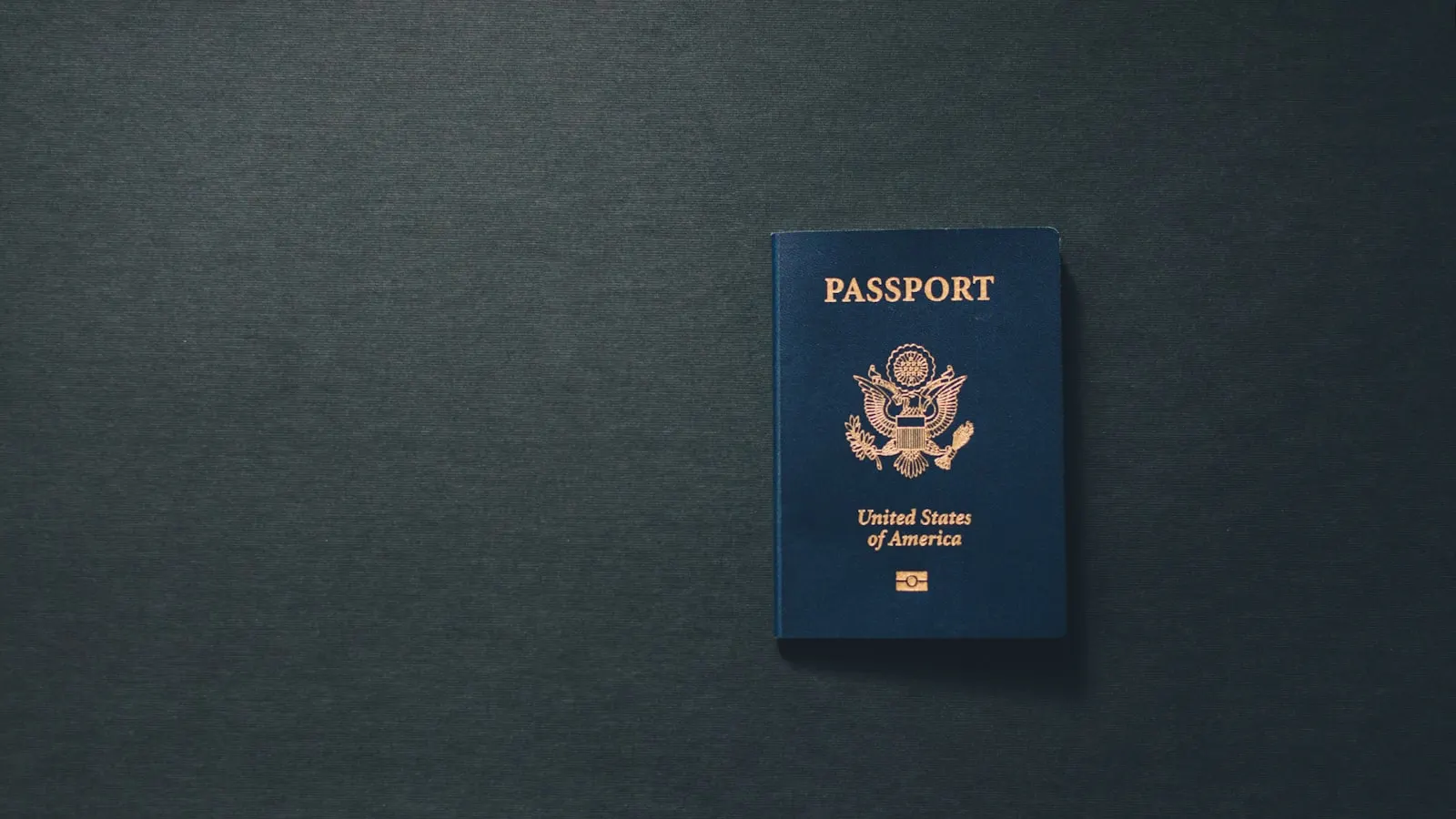
- Passport validity: Your passport must be valid for at least 6 months from your date of arrival and have at least two blank pages.
- Yellow fever certificate: Required only if you are arriving from a country with risk of yellow fever transmission.
- Restricted/protected areas: Some regions (such as parts of Arunachal Pradesh, Sikkim, Ladakh, and the Andaman & Nicobar Islands) require a special permit (Protected Area Permit or Restricted Area Permit) in addition to your visa.
- Overstaying penalties: Overstaying a visa, even by one day, can lead to fines, detention, or future visa bans. Check your visa expiry carefully.
- Entry points: Arrive at an airport, seaport, or land border that accepts your visa type. E-visas, for example, are valid only at certain airports and seaports.
- Currency rules: You can carry up to ₹25,000 in Indian rupees when entering or exiting. Foreign currency over USD 5,000 (cash) or USD 10,000 (total) must be declared.
- Customs rules: India has strict regulations on items like gold, electronics, and certain medicines. Prohibited items include satellite phones, some types of drones, and narcotics.
“Leaving Mumbai, security was the strictest I’ve faced. They searched all bags and wouldn’t let me carry my GPS, saying it’s a prohibited item. I had to check the GPS separately and carried only my laptop, charger, and iPod until picking up my bag in Bangladesh.” — Michael Angelo, The Project Kosmos
Need more info about the India eVisa application?
Our customer service team is ready to help if you have questions about India or the Tourist eVisa application. Contact us any time via chat or WhatsApp.