Key points
- The UK now requires non-visa nationals, except British and Irish citizens, to have an ETA before traveling, enforced as of February 2026.
- Dual British citizens cannot apply for an ETA and must instead use a valid British passport or a digital Certificate of Entitlement.
- A temporary "fix" allows some dual nationals to travel using an expired British passport alongside a valid foreign one, though carrier discretion applies.
- Decisions usually arrive within a day but can take up to three working days, so travelers should apply at least three working days before departure.
The Home Office now requires visitors, except British and Irish citizens, to hold an ETA or eVisa before boarding.
As of February 25, 2026, the United Kingdom has moved to full enforcement of its Electronic Travel Authorisation (ETA) scheme, marking a major milestone in the country’s transition to a “digital-by-default” immigration system. This change means that nearly all travelers who do not require a visa—including citizens from the EU, US, and Australia—must now obtain digital permission before they can board a plane, ferry, or train to the UK.
According to a written statement from the UK Parliament, the government is now strictly enforcing “permission to travel” checks. Under the new rules, carriers are legally required to verify that passengers hold an ETA, an eVisa, or a valid physical document proving their right to enter before allowing them to board.
New challenges for dual British citizens
The rollout has introduced specific complexities for dual British nationals who previously traveled to the UK using a foreign passport. Because British citizens are not subject to immigration control, they are ineligible for an ETA. However, carriers must now see proof of British citizenship to allow boarding if a traveler is using a non-British passport.
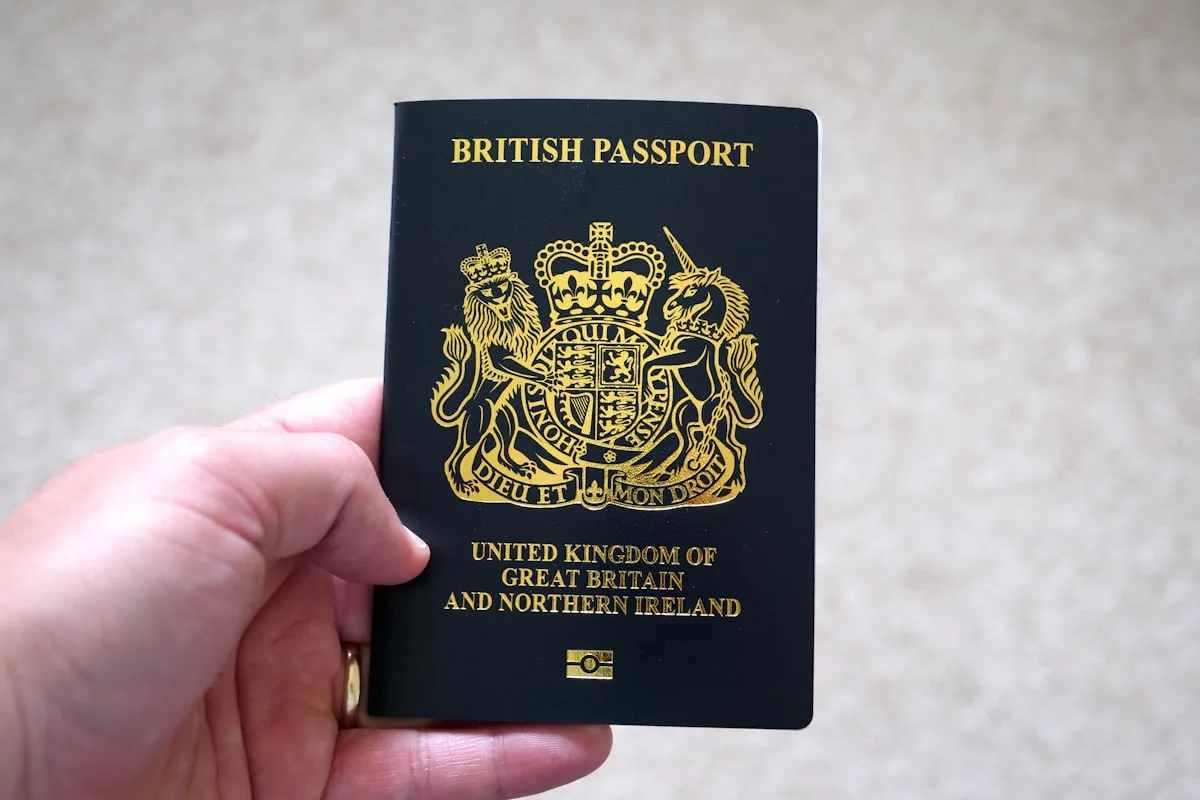
“British citizens, including dual nationals, are not eligible for an ETA and should prove their permission to travel and enter the UK border with a valid British passport or a passport containing a Certificate of Entitlement (CoE) to the right of abode,” the Home Office confirmed in its official guidance.
To address potential travel disruption, the government introduced a temporary measure. Carriers may, at their discretion, allow dual nationals to travel if they present an expired British passport (issued in 1989 or later) alongside a valid foreign passport from an ETA-eligible country, provided the personal details on both documents match.
Transition to a fully digital border
The ETA is part of a broader strategy to digitize the UK border by the end of 2026. This includes replacing physical visa vignettes and “wet ink” stamps with eVisas. For many travelers, this means their immigration status is now linked directly to their passport number in a digital UKVI account.
The government has emphasized that this shift is designed to strengthen border security while streamlining the entry process for legitimate travelers. Most ETA applications are processed within minutes via the UK ETA app, though travelers are advised to apply at least three working days in advance.
Travelers should also be aware of updated UK passport rules regarding dual nationality fees and how these costs may impact their travel documentation.