iVisa Mobile App Online global travel documents

EU may push ETIAS launch into 2027 after entry/exit system causes border chaos

Photo of Cynthia Oliwa Cynthia Oliwa
3 min read
Updated on Jul 07, 2026
Summary
  • The EU's ETIAS travel authorization for visa-exempt visitors may be pushed past its 2026 deadline.
  • Sources say the delay follows the troubled rollout of the entry/exit system (EES), which has caused airport queues.
  • EU-Lisa's board reportedly discussed the postponement in June and may revisit timelines in September.
  • No official decision has been announced by the European Commission.

Sources say EU-Lisa has acknowledged that a 2026 launch is no longer realistic, though no official decision has been made and the European Commission has not confirmed a new date

EU may delay ETIAS after entry/exit system chaos

The EU's planned ETIAS pre-travel authorization system may be heading for another delay, with sources telling the Financial Times that the agency responsible for building it has acknowledged a launch before the end of 2026 is no longer achievable. No official postponement has been announced, but the reported discussions come in the wake of a troubled rollout of the bloc's separate entry/exit system (EES), which has caused long queues at airports and land borders.

ETIAS, which stands for the European Travel Information and Authorization System, would require roughly 1.4 billion visa-exempt travelers heading to the EU, including those from the US and UK, to register online before their trip, pay a €20 (approx. US$23) fee, and undergo pre-travel security screening. The system is similar to the US ESTA program.

What went wrong with EES

The problems trace back to the EU's new entry/exit system, which records biometric data, including fingerprints and a face scan from every non-EU national crossing into the bloc. EES was originally supposed to go live in 2022, but was pushed back repeatedly due to problems sourcing the right technology, bugs in the system, and some countries being far behind others in getting ready.

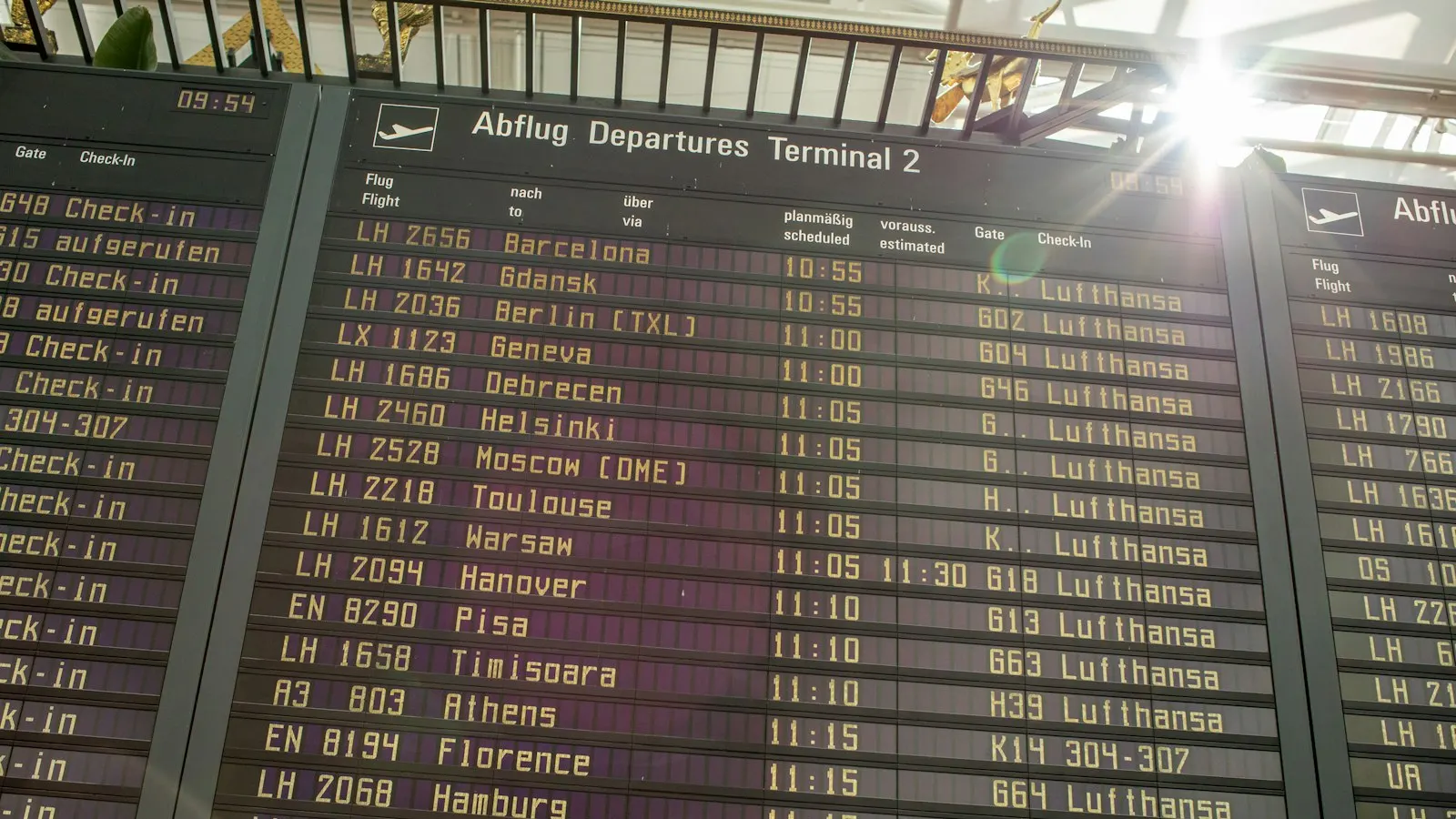
Now that EES has finally started operating, it has brought fresh headaches. Software problems and a patchy rollout at some border crossings have created bottlenecks, and airlines have publicly warned that the disruption could make for a chaotic summer at European airports.

EU home affairs commissioner Magnus Brunner addressed the situation in a letter to airline executives, which the Financial Times obtained. He placed much of the blame on national governments, arguing that "other factors, unrelated to the EES, like insufficient staff or lack of adequate infrastructure, could be at the origin of delays."

Why ETIAS may be held back

EU-Lisa, the agency that manages ETIAS along with EES and several other large-scale border IT systems, reportedly discussed the launch timeline at a management board meeting on June 17, 2026. Three people briefed on the discussions told the Financial Times that the agency had acknowledged a 2026 launch was no longer on the table.

The board is reportedly expected to reconvene in September to settle on a revised date. A spokesperson for EU-Lisa confirmed the June 17 discussion took place but said "since then, there have been no further developments on this topic," stopping short of confirming any delay.

One person close to the talks told the Financial Times that the priority should be getting EES working properly before layering another system on top that could compound the queuing problems at borders. The source also pointed to unresolved IT issues within the ETIAS platform itself.

The European Commission is ultimately responsible for setting the go-live date, but it can only do so after EU-Lisa has completed successful testing. A Commission spokesperson gave no indication of a changed timeline, saying only that "preparations for the launch of Etias are ongoing" and that "many factors come into play when deciding when to launch" a system of this scale.

How long a delay might last, if it happens

If ETIAS is postponed, opinions vary on how far. Several EU officials told the Financial Times they were unsurprised that EU-Lisa was struggling with the deadline, given the sheer number of border technology projects on the agency's plate. One official suggested any delay could be relatively contained, perhaps a quarter or a month beyond the original window.

Others were far less optimistic. One person with knowledge of the situation described the idea of launching ETIAS this year as "illusory", suggesting the system may not arrive until sometime in 2027. Until the Commission formally announces a new date, however, the official position remains that a 2026 launch is still the target.