Key points
- The key change: Since October 1, 2026, Sweden no longer recognizes non-biometric Russian ordinary passports, and Belgium, Luxembourg and the Netherlands no longer recognize ordinary, diplomatic or service ones
- Holders can't use them to enter these countries or to apply for new visas there, and Sweden won't grant residence permits on them either
- Sweden and the Netherlands still let some holders of existing visas travel until December 31, 2026
- What stays the same: Biometric Russian passports and travelers of other nationalities aren't affected
Four more Schengen countries now refuse Russian passports without an electronic chip
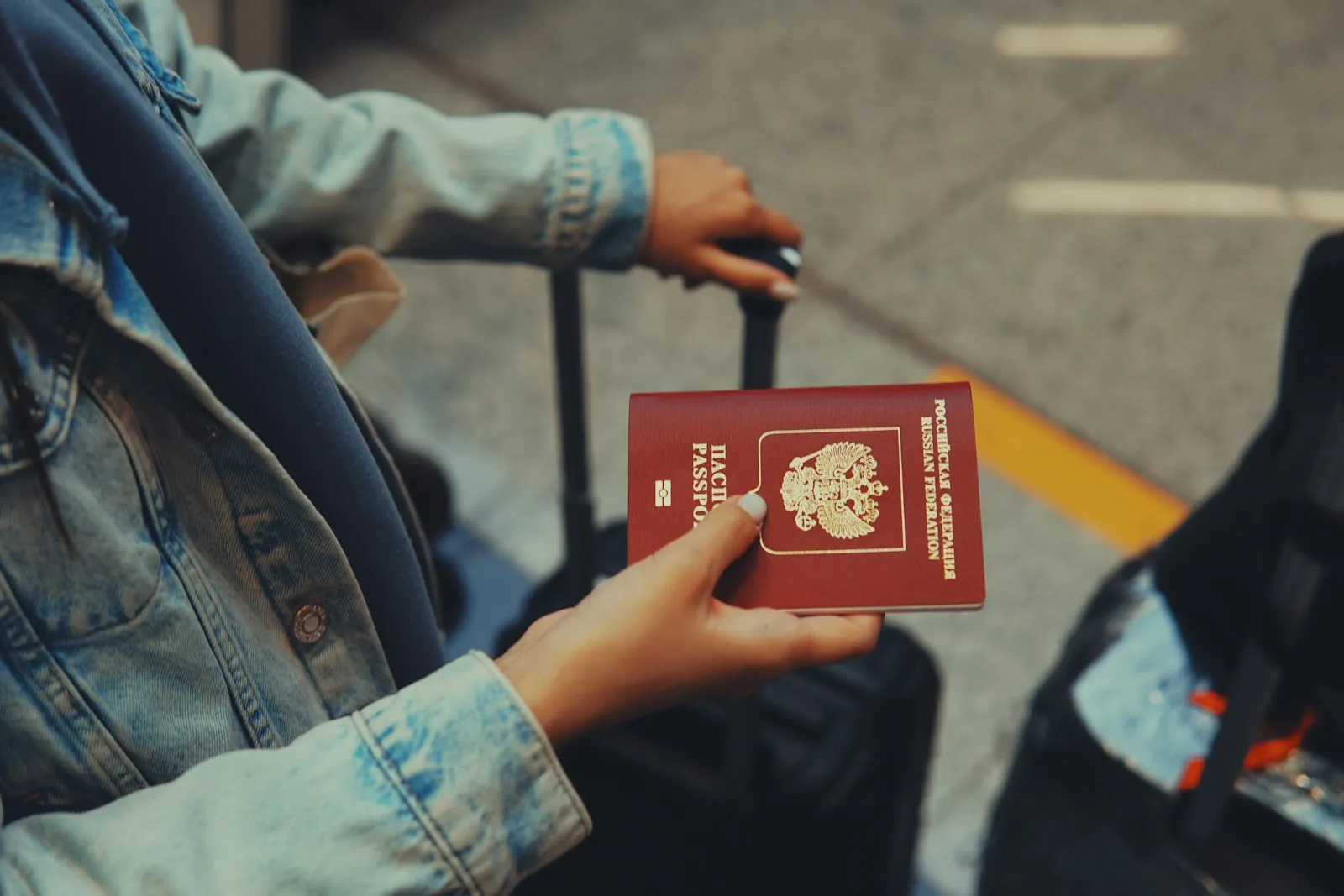
From October 1, 2026, Sweden no longer recognizes ordinary non-biometric passports issued by the Russian Federation, and Belgium, the Netherlands and Luxembourg no longer recognize any type: ordinary, diplomatic or service. A non-biometric passport doesn’t have an electronic chip storing the holder’s photo and fingerprints.
Before October 1, Russian nationals could use these passports to travel to the four countries and apply for visas there. Now, they can’t be used to enter these countries or to apply for new visas there, apart from the transition rules below. Sweden also won’t grant residence permits on them.
What changed on October 1?
In Sweden, the change covers ordinary passports, according to the Swedish Migration Agency (Migrationsverket). Holders can’t use them to enter Sweden, or to get a visa or residence permit for study, visits, work or family reunification. Non-biometric diplomatic and service passports won’t be recognized from January 1, 2027.
In Belgium, Luxembourg and the Netherlands, the change covers ordinary, diplomatic and service passports from October 1, according to the Luxembourg Embassy in Moscow. These passports aren’t recognized for travel or visa processing in any of the three countries.
Both rules are listed in the European Commission’s register of recognized travel documents, updated October 2, 2026.
Is there a transition period?
It depends on the country.
Sweden
Until December 31, 2026, Sweden still accepts a non-biometric ordinary Russian passport if either of these applies:
- The passport holds a valid visa issued before October 1, 2026, by Sweden or another EU or Schengen country
- The holder has a valid residence permit issued before October 1, 2026, by Sweden or another EU or Schengen country
The Netherlands
A traveler with a valid Schengen visa in a non-biometric Russian passport can visit the Netherlands until December 31, 2026, at the latest, according to the Dutch government. It recommends getting a biometric passport before applying for a Schengen visa for the Netherlands.
Belgium and Luxembourg
Schengen visas already issued in non-biometric Russian passports stop being valid by December 31, 2026, at the latest, according to the Luxembourg Embassy. It doesn’t say whether holders can still use these visas to enter Belgium or Luxembourg before then, so travelers should check with the country they plan to visit.
What should travelers know?
Which other countries restrict non-biometric Russian passports?
15 European countries now restrict non-biometric Russian passports, according to the European Commission’s register. Besides Sweden and the Benelux countries, they’re the Czech Republic, Denmark, Estonia, Finland, France, Germany, Iceland, Latvia, Lithuania, Poland and Romania. Exceptions vary by country, for example for some minors or residence permit holders.
The change adds to other recent limits on Russian travelers in Europe, such as Slovakia’s summer pause on Russian tourist visas. Travelers continuing to another Schengen country should check that country’s rules, as the Dutch government advises.
What should holders of non-biometric Russian passports do?
Holders should apply for a biometric passport through the authorities of their country of nationality as early as possible, Migrationsverket advises.
Does this affect other travelers?
No. The change only covers non-biometric passports issued by Russia. Biometric Russian passports are still recognized, and travelers of other nationalities aren’t affected.