
Key points
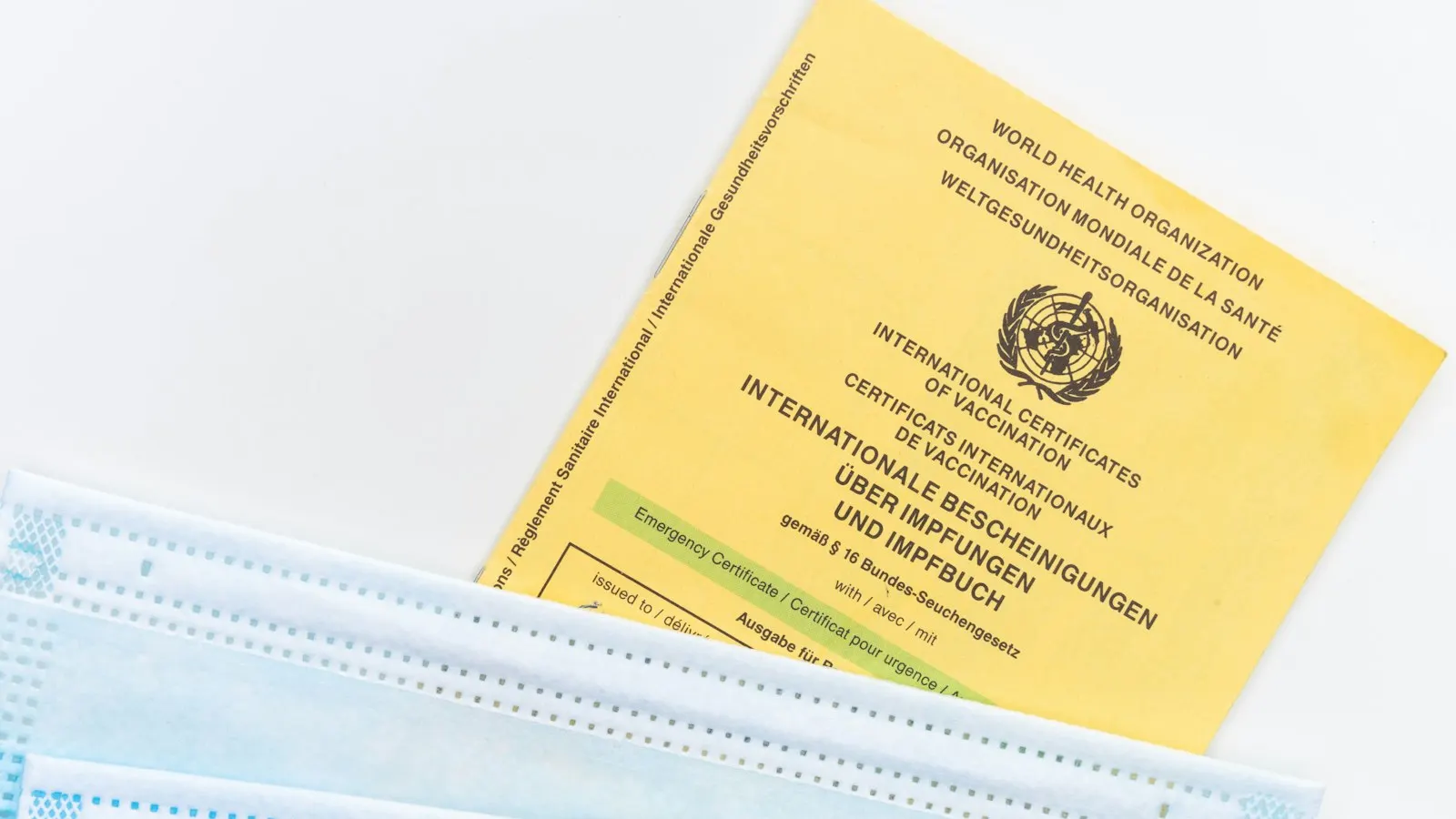
- The key change: Uganda's National Citizenship and Immigration Control (NCIC) confirmed on October 2, 2026, that a yellow fever vaccination certificate is no longer required for entry into Uganda. The requirement has been removed from both the official eVisa application portal and the NCIC's published entry requirements.
- WHO still recommends vaccination: The World Health Organization continues to recommend yellow fever vaccination for travelers aged 9 months and older visiting areas with a risk of transmission. Uganda remains classified as a country with active yellow fever transmission risk. Dropping the documentary requirement at the border does not eliminate the medical rationale for vaccination.
- Regional pattern: Uganda's decision follows a similar move by Benin, which confirmed in September 2026 that yellow fever vaccination certificates are no longer checked at its ports of entry.
- Ebola context: The announcement comes just over a month after the WHO declared the end of Uganda's Bundibugyo virus Ebola outbreak on August 27, 2026, though the epidemic continues in the neighboring Democratic Republic of the Congo.
Uganda’s immigration authority confirmed that the yellow fever certificate has been removed from the eVisa portal and is no longer listed among the country’s entry requirements
Uganda’s National Citizenship and Immigration Control (NCIC), part of the Ministry of the Interior, confirmed on October 2, 2026, that a yellow fever vaccination certificate is no longer required for entry into Uganda. The official notice published on the NCIC’s website states that the requirement “is no longer a mandatory requirement for entry into Uganda” and that it does not appear on the eVisa application portal or among the country’s listed entry requirements.
Before this announcement, travelers arriving in Uganda were expected to present a valid yellow fever vaccination certificate at the border. The removal of the requirement streamlines the arrival process for tourists and business travelers, eliminating a documentary check that had long been associated with travel to Uganda.
The public notice followed an earlier clarification addressed to the Uganda Tourism Board. In a letter dated August 27, 2026, received by the tourism organization on September 3, the NCIC responded to a request for clarification submitted at the end of July and confirmed that the certificate was no longer mandatory for entry into the country.
How does this affect Uganda’s tourist visa requirements?
The change is reflected in the formalities for Uganda’s single-entry tourist visa. The official page for this visa currently lists a valid passport, a recent photograph, a travel itinerary, and an accommodation booking among the required supporting documents. The yellow fever vaccination certificate is no longer among them.
Uganda’s tourist visa must be submitted online by visa-required travelers and costs USD 50. The issued authorization must be used within 90 days of approval. The eVisa portal at visas.immigration.go.ug processes applications for all visa categories, including single-entry tourist visas, transit visas, and multiple-entry visas.
Does vaccination against yellow fever remain recommended for travel to Uganda?
Dropping the border documentary requirement does not change the medical case for vaccination. The World Health Organization (WHO) continues to recommend yellow fever vaccination for all travelers aged 9 months and older visiting areas where there is a risk of yellow fever transmission, subject to any medical contraindications.
Uganda remains classified by the WHO as a country where yellow fever transmission risk exists. The distinction is important: Uganda has removed the administrative requirement to present a vaccination certificate at the border, but the health benefit of vaccination for travelers remains unchanged.
Is Uganda the only country to recently drop this requirement?
Uganda’s decision follows a similar move by Benin, which confirmed in September 2026 that yellow fever vaccination certificates are no longer checked at its airports, seaports, or land borders. Benin’s Ministry of Health published Circular No. 0313, signed by Health Minister Benjamin Hounkpatin and originally dated April 14, 2026, confirming that no vaccination certificates are verified at the country’s entry points. The circular appeared online on September 16, 2026.
Both Uganda and Benin are located in regions where yellow fever transmission occurs, and both countries continue to recommend vaccination despite removing the documentary check. The two announcements within weeks of each other suggest a shift toward streamlining health-related border formalities in parts of Africa while maintaining public health guidance.
What is the Ebola context surrounding this announcement?
The NCIC’s announcement came just over a month after the official end of Uganda’s Bundibugyo virus Ebola outbreak, which the Africa Centres for Disease Control and Prevention (Africa CDC) and the World Health Organization declared over on August 27, 2026, following 42 consecutive days without a new confirmed case.
Uganda reported 20 confirmed Ebola cases linked to the Bundibugyo virus after an outbreak was declared on May 15, 2026. Of these, 15 were imported from the Democratic Republic of the Congo and 5 were contracted locally. Eighteen individuals recovered, while two deaths were recorded. Over 800 contacts were identified and tracked during the response.
The Ebola epidemic continues in the neighboring Democratic Republic of the Congo, and health surveillance is maintained at Uganda’s borders in response to ongoing cross-border transmission risk. The WHO continues to advise against travel and trade restrictions related to Ebola outbreaks, stating that it does not recommend suspending flights, closing borders, or denying entry to travelers from affected countries.
The yellow fever certificate change is unrelated to Ebola. Yellow fever and Ebola are caused by different viruses, transmitted through different mechanisms, and addressed by different public health tools. The timing, however, places Uganda’s decision to ease a long-standing border health formality against the backdrop of a recently concluded disease emergency.