iVisa Mobile App Online global travel documents

US puts four-year expiry on student and exchange visas, 240 days for journalists

Photo of Cynthia Oliwa Cynthia Oliwa
4 min read
Updated on Jul 16, 2026
Summary
  • The key change: F (student), J (exchange), and I (journalist) visas will no longer last for the duration of a program or job. Fixed expiry dates of four years and 240 days now apply.
  • What came before: These visa categories operated on a "duration of status" basis, meaning holders could stay as long as their program or employment continued.
  • Who is hit hardest: Chinese journalists face a 90-day cap instead of the standard 240 days. Graduate students can no longer switch programs or transfer schools without authorization.
  • When it takes effect: 60 days after publication in the Federal Register, subject to congressional review.

The Department of Homeland Security's final rule takes effect 60 days after publication in the Federal Register, replacing the decades-old system where these visas lasted as long as the holder's program or employment

US puts expiry dates on student and journalist visas

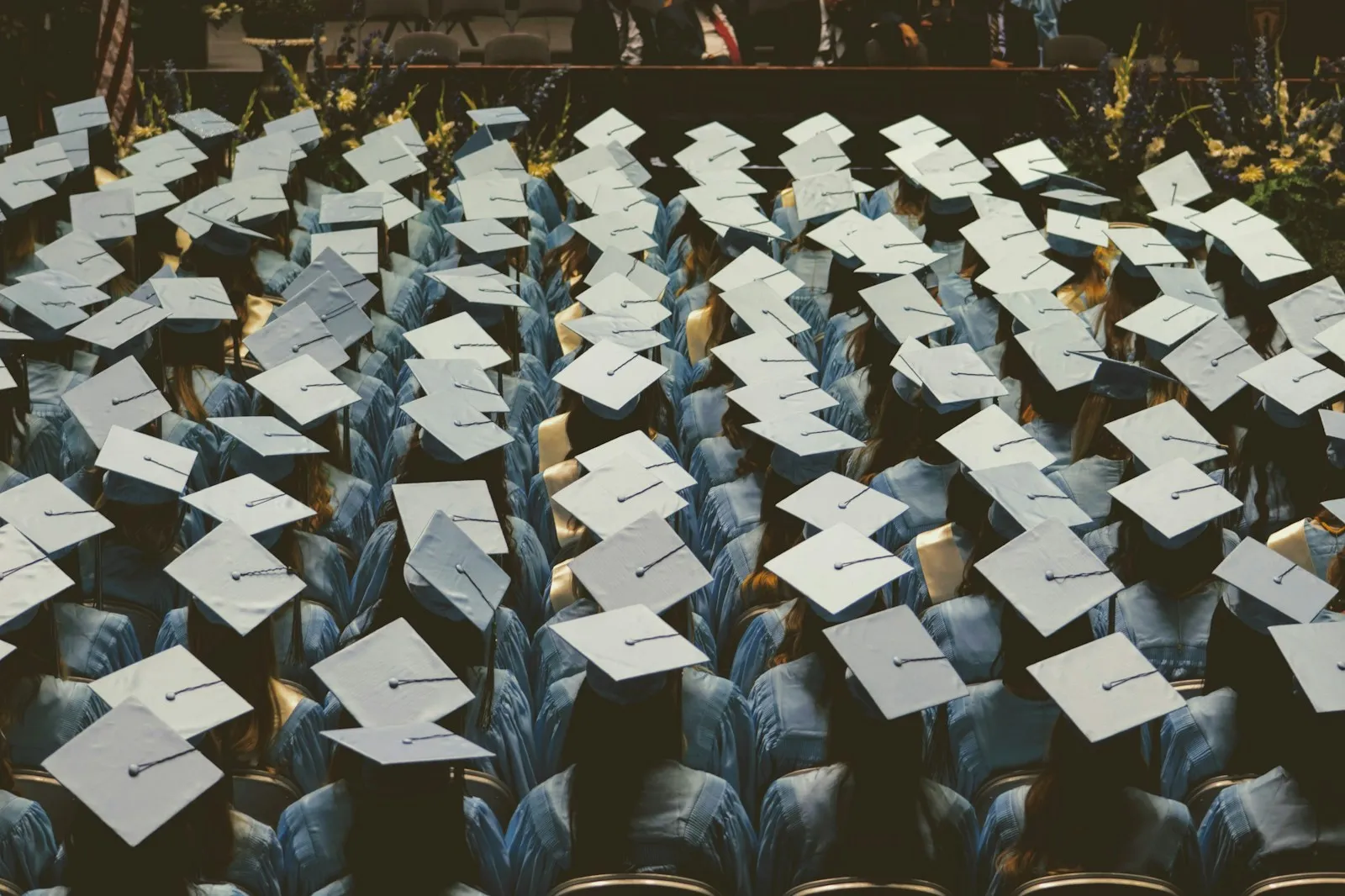
The Trump administration has imposed fixed expiry dates on three major US visa categories that previously allowed holders to stay in the country for as long as their program or employment lasted. The Department of Homeland Security (DHS) published a final rule on July 16, 2026, putting a four-year limit on F visas for international students and J visas for cultural exchange visitors, and a 240-day limit on I visas for foreign journalists, according to Reuters.

Before this rule, all three visa types operated on what immigration law calls "duration of status," meaning there was no fixed expiry as long as the holder remained enrolled, employed, or participating in their approved program. A student could hold an F visa for the entire length of a six-year PhD without ever renewing. A journalist could work in the US on an I visa for years without a deadline. Now, every holder in these categories will face a hard cutoff and will need to apply for an extension or leave the country when their fixed period runs out.

The rule takes effect 60 days after it appears in the Federal Register and is subject to congressional review. The proposed version was first published on August 28, 2025, under the formal title "Establishing a Fixed Time Period of Admission and an Extension of Stay Procedure for Nonimmigrant Academic Students, Exchange Visitors, and Representatives of Foreign Information Media."

How long will student and exchange visas last under the new rule?

If you hold an F visa (international student) or a J visa (cultural exchange visitor), your authorized stay will be capped at four years. After that period, you must either apply to DHS for an extension or leave the US and seek readmission by re-entering the country.

Extensions are available, but DHS has not detailed the criteria or processing times that will apply. The four-year clock represents a fundamental shift for students in longer programs like doctoral degrees, medical residencies, or multi-year research appointments, all of which routinely exceed four years.

What changes for foreign journalists?

If you hold an I visa as a member of the foreign media, your stay will be limited to 240 days. That is a dramatic reduction from the current system, where I visa holders can remain in the US for as long as their media employment continues.

The restriction is even tighter for Chinese nationals, who will be limited to just 90 days on an I visa. China's foreign ministry objected to the proposed version of this rule back in August 2025, calling the separate treatment of Chinese journalists discriminatory. The Chinese Embassy did not respond to a request for comment on the final rule.

What new restrictions apply to graduate students?

If you are a graduate student on an F visa, two additional restrictions now apply beyond the four-year limit. You are prohibited from changing your "educational objectives" at any point during your program, and you cannot transfer to another school without obtaining authorization from immigration authorities first.

The rule also cuts the grace period after completing a degree or training program in half. Under the previous system, students had 60 days to either find an employer willing to sponsor them for a work visa or make arrangements to leave. That window has been slashed to 30 days.

Former DHS official Doug Rand criticized the changes, saying "most Americans understand the value of welcoming international students and getting rid of needless red tape. This rule would do the opposite."

David J. Bier, immigration studies director at the Cato Institute, was sharper: "International students, many of whom will have spent years in the USA, will now have just 30 days to find an employer to sponsor them or immediately be turned into illegal immigrants."

Why is DHS making this change?

DHS pointed to a sharp increase in the number of people holding these visas as the core justification. The department said there were more than 1.8 million student visa admissions in 2024, an 11% jump over the previous year. In fiscal year 2024, the US also issued visas to more than 500,000 exchange visitors and 37,300 members of the media.

DHS argued that this growing volume makes it harder for the department to keep track of non-immigrants while they are in the country, and said it has numerous examples of students and exchange visitors remaining in the US for decades on their existing visas.

Can visa holders extend their stay?

If your fixed period is about to expire, you have two options. You can file an extension request with DHS before your authorized stay runs out, or you can leave the US and apply for readmission by re-entering the country on a fresh visa. Simply staying past the deadline without taking either step would constitute an overstay and could trigger removal proceedings.

The rule does not spell out how long extension processing will take or whether holders can remain in the US while their extension is under review, details that are likely to become critical for students midway through degree programs when the four-year limit hits.

Visa category Who it covers Previous duration New limit
F visa International students Duration of academic program 4 years
J visa Cultural exchange visitors Duration of program 4 years
I visa Foreign journalists Duration of employment 240 days
I visa (Chinese nationals) Chinese journalists Duration of employment 90 days