
Key points
- The EU Entry/Exit System becomes fully operational on April 10, 2026
- Passport stamps will be replaced with digital records of entry, exit, and refusal
- The system has processed over 45 million border crossings since October 2025
- Over 24,000 people have been refused entry and 600 security risks identified
The digital border system has already processed over 45 million crossings since its phased launch in October 2025
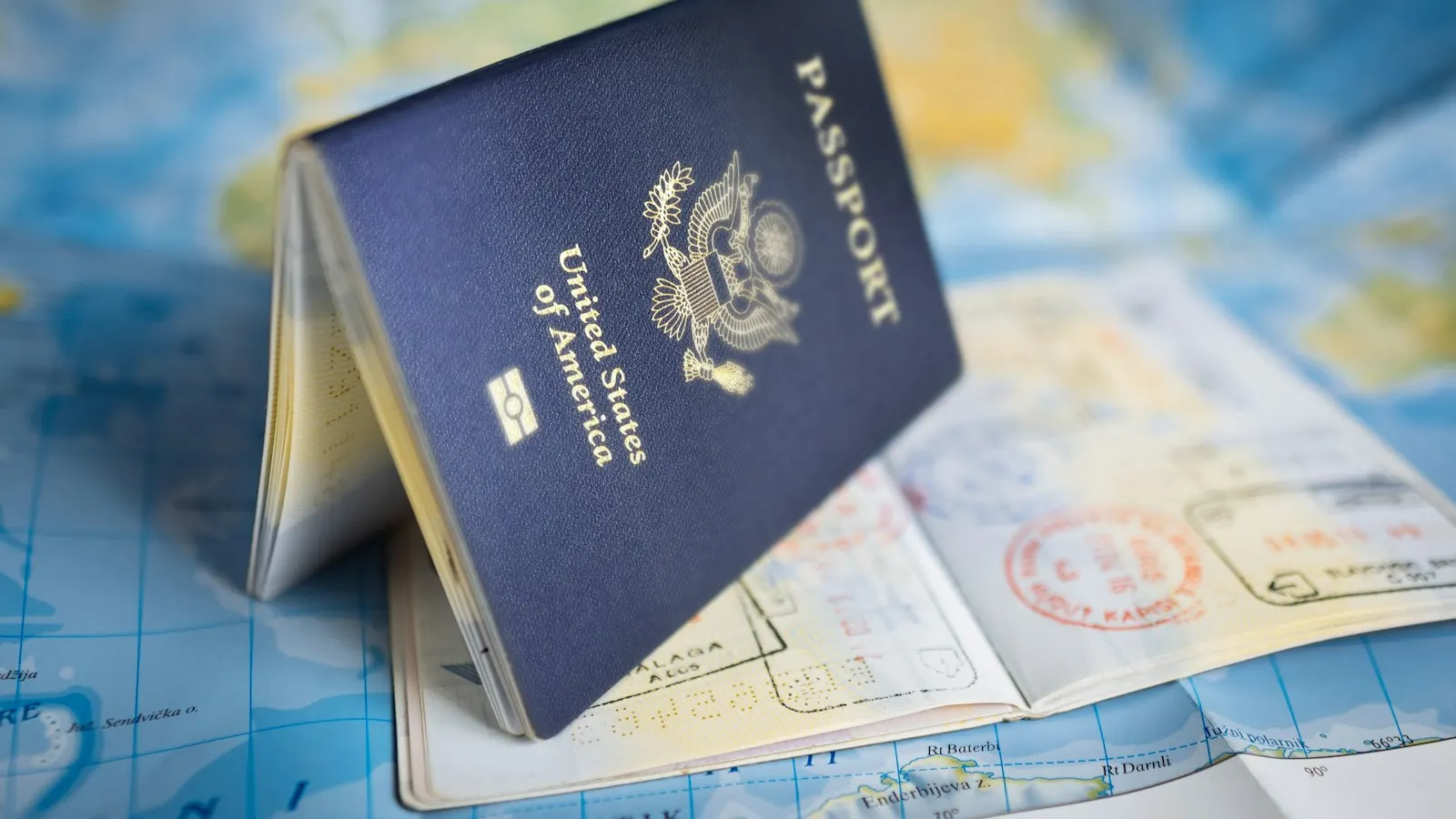
The European Union’s Entry/Exit System (EES) will become fully operational on April 10, 2026, completing its rollout across 29 European countries. The Directorate-General for Migration and Home Affairs confirmed this with a statement on the European Commission’s Migration and Home Affairs website on March 30, 2026, that the system will replace passport stamping with digitally recorded entries, exits, and refusals of entry for non-EU nationals traveling for short stays.
Travelers will have their facial image, fingerprints, and personal data from their travel document recorded in the system.
Early results from the rollout
Since the EES began operations on October 12, 2025, over 45 million border crossings have been registered. The system has already refused entry to more than 24,000 people for reasons including insufficient justification for their visit and expired or fraudulent documents.
Additionally, the system helped identify over 600 people who posed a security risk to Europe. These individuals were refused entry and recorded in the system, meaning any future attempt to enter another European country using the EES will alert border authorities to the previous refusal.