Key points
- All U.S.-bound travelers from affected African nations must enter via Washington Dulles (IAD).
- The WHO declared the Bundibugyo Ebola virus a Public Health Emergency of International Concern.
- Malaysia and Thailand have implemented heightened screening for passengers from regional transit hubs.
- Travelers may face rerouting or enhanced health checks depending on their recent travel history.
Multiple countries implement enhanced screenings and travel restrictions for arrivals from Ebola-affected regions in May 2026
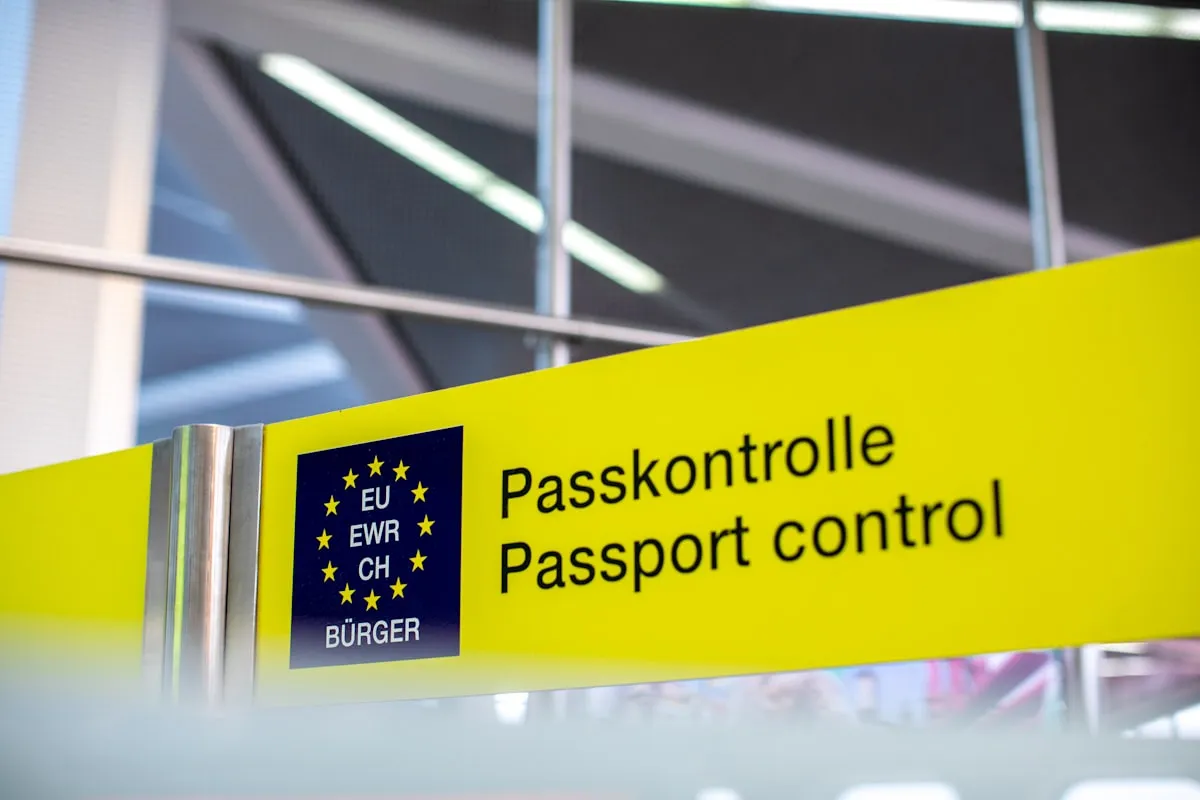
Nations across North America, Asia, and Europe have launched emergency health measures at international borders. This follows the World Health Organization (WHO) declaration on May 17, 2026, designating the current Ebola outbreak in East and Central Africa as a global health emergency.
U.S. restricts entry to single airport
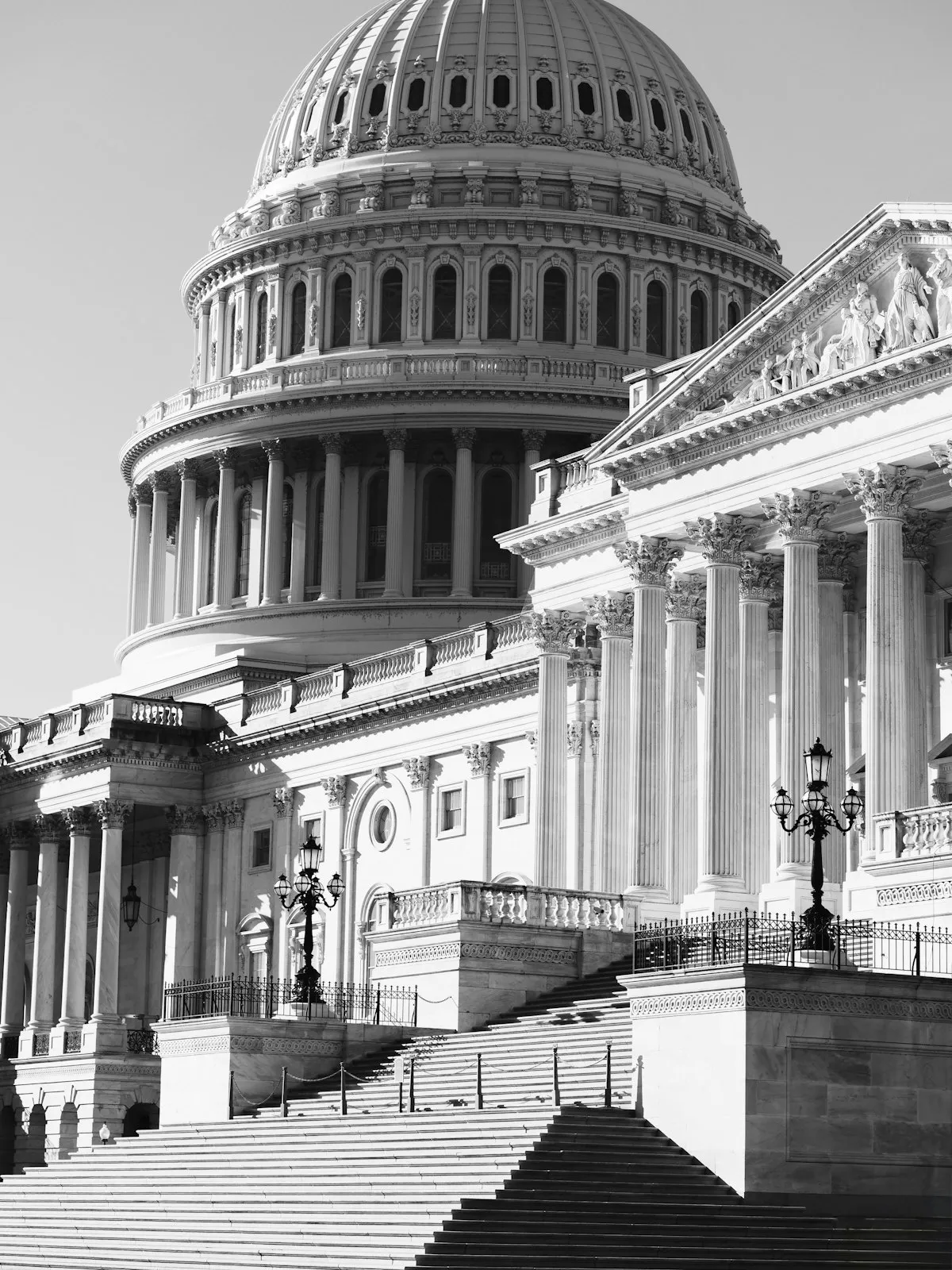
The United States has restricted entry for travelers who have visited the Democratic Republic of the Congo (DRC), Uganda, or South Sudan within the last 21 days. As of May 21, 2026, all such passengers—including U.S. citizens—must reroute their travel to enter through Washington Dulles International Airport (IAD).
The U.S. Embassy and Consulates in the United Kingdom confirmed that the CDC and CBP will conduct enhanced health screenings at this location. Additionally, the CDC has authorized a Title 42 Order to potentially restrict entry for non-U.S. citizens from affected areas.
Heightened monitoring in Southeast Asia
Malaysia and Thailand are intensifying surveillance at major ports of entry. Authorities are focusing on travelers transiting through hubs like Dubai, Doha, and Singapore who originated from Uganda or the DRC.
The Malaysian government stated they are “strengthening preparedness and monitoring measures” to ensure border security, despite no local cases being detected.
European Union health response
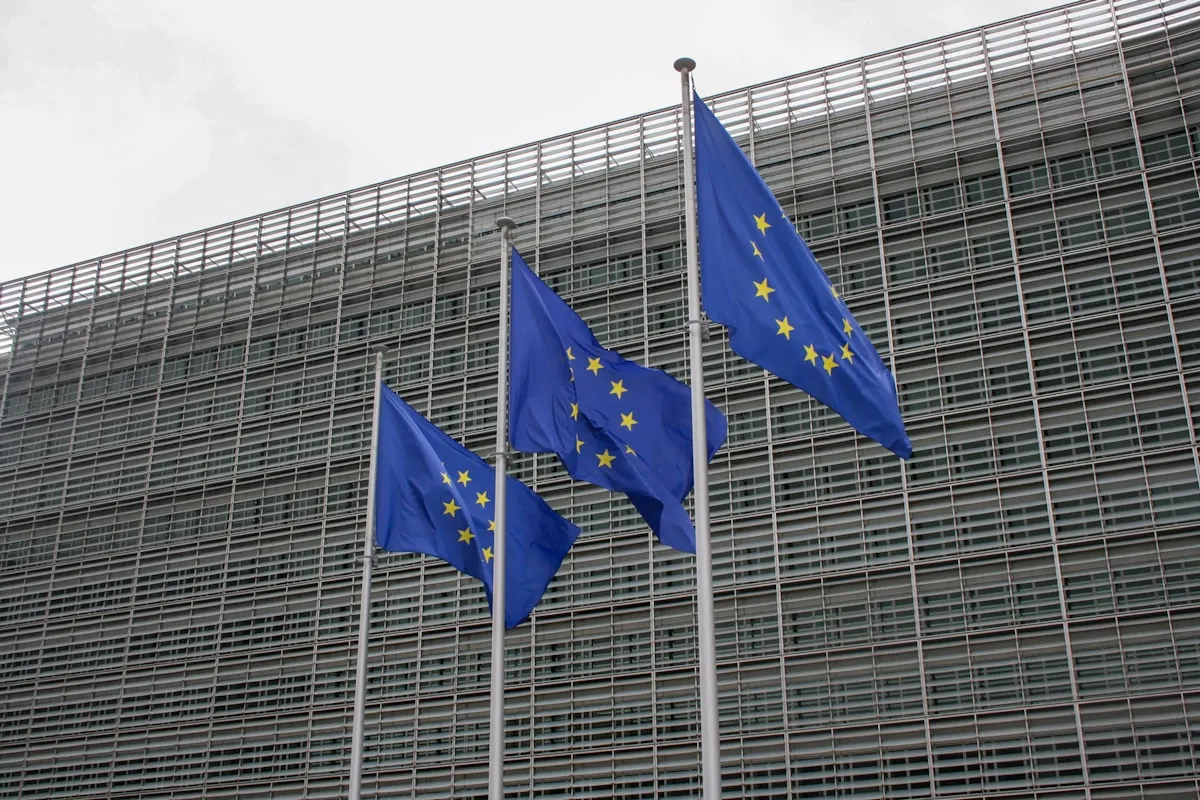
The European Commission is currently coordinating with the Health Security Committee to monitor risks. On May 20, the European Commission announced the launch of the Global Health Resilience Initiative to increase wastewater surveillance and diagnostic testing across member states.
UK government support and surveillance
The UK has increased its support for containment efforts in the DRC. Foreign Secretary Yvette Cooper emphasized the need for rapid action following a cross-government meeting on May 21.
“It is vital we act now to save lives – outbreaks like Ebola do not stop at borders,” Cooper noted.
Travelers should also monitor for temporary visa operation pauses which may impact processing times in the region.