Key points
- Easter trips run on fixed windows, so a small documentation delay can cancel the whole vacation.
- Visa-free does not mean requirement-free: authorizations like the UK ETA, US ESTA, and Australian eVisitor are still mandatory.
- Two 2026 changes matter: UK ETA enforcement from February 25 and the EU Entry/Exit System going fully live on April 10.
- Passport typos and the six-month validity rule are among the most common reasons digital authorizations fail.
- Airlines can and will deny boarding to travelers with pending applications or mismatched documents.
Easter travel is different from a summer getaway, and the difference is what trips people up. The dates are fixed, the trips are short, and the paperwork is easy to treat as an afterthought until it becomes the reason you never leave the airport. Here are the visa and document mistakes most likely to derail an Easter 2026 trip, and the two rule changes worth knowing before you book.
The “fixed window” reality: why Easter is high-risk
Easter travel runs on inflexible scheduling. Travelers are working around strict school calendars that require a timely return, religious events that cannot be rescheduled, and short trip durations where even a minor delay can eliminate the entire vacation.
The common mistake is underestimating the bureaucratic side of a trip, treating documentation as a final, minor checkbox rather than a critical part of getting on the plane.
The 2026 political climate: global instability and your visa
Geopolitical tensions have prompted the U.S. and Schengen countries to tighten visa controls and add enhanced background screening. Processing times are increasingly unpredictable, and a diplomatic shift or security alert can create consular backlogs with little warning.
Because of that, iVisa’s guidance is to apply six to eight weeks in advance where possible, which builds in a buffer against unexpected global disruptions.
Common visa mistakes that derail Easter plans
Assuming “visa-free” means “requirement-free”
Many travelers confuse a visa exemption with being free of all entry requirements. Digital authorizations such as the UK ETA, the U.S. ESTA, and the Australian eVisitor remain mandatory even for visa-free travelers. Airlines run automated checks and will reject travelers who lack these digital clearances.
The passport validity paradox
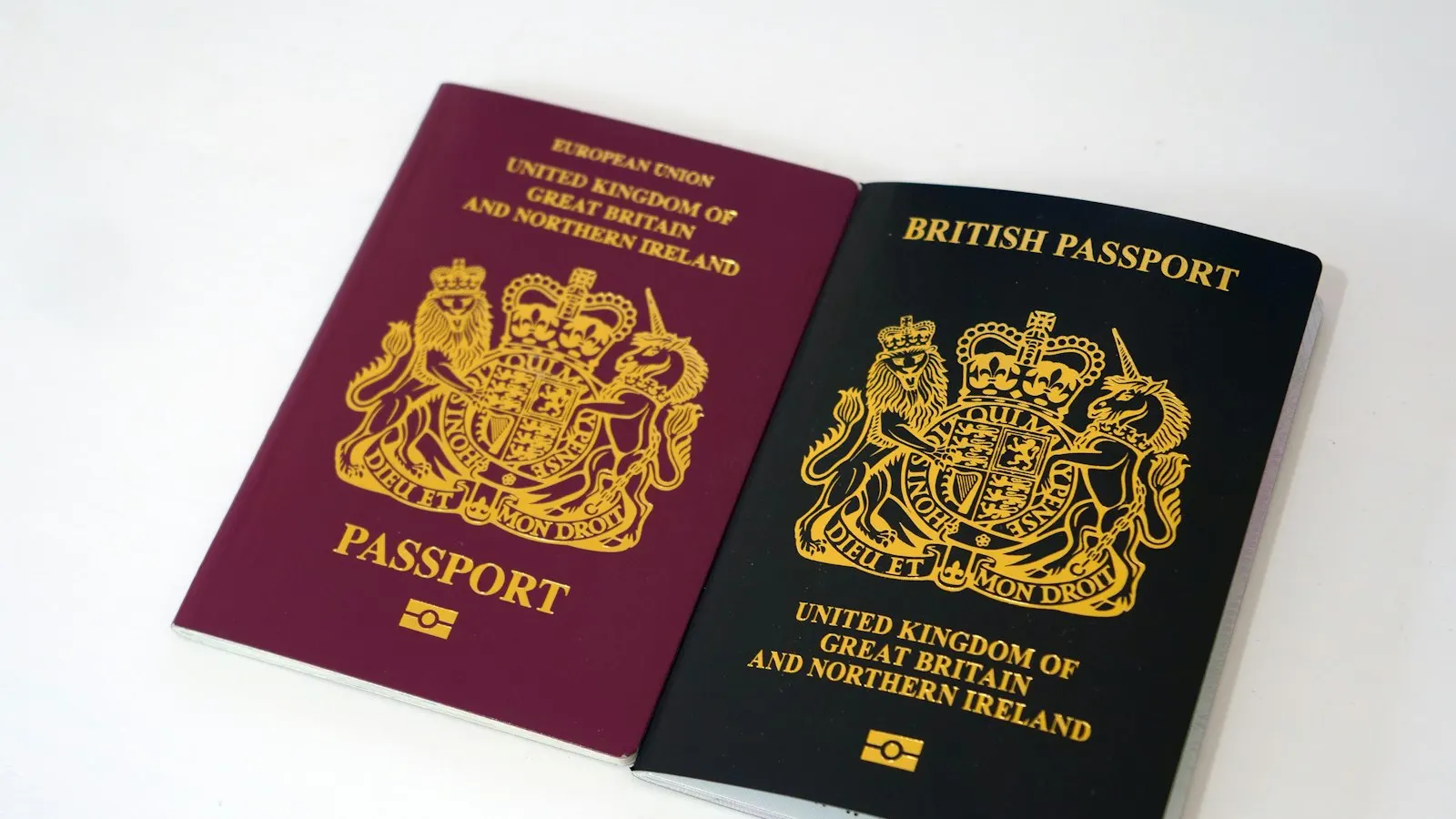
For many destinations, a passport must stay valid for six months beyond your return date. Entry to the EU adds a second condition: the passport must have been issued within the last 10 years, regardless of how much validity remains.
Leaving things for the last minute
Easter rush periods put heavy load on government systems. An application flagged for manual review can add three to five business days to processing, which is often enough to eliminate an entire trip inside a fixed Easter window.
Inconsistent information
Simple typos, such as entering the wrong characters in a passport number, are the leading cause of digital authorization failures. Your ETA or visa might read as “approved,” but if it is linked to the wrong data it will not hold up at check-in or the border.
Booking before confirming entry rules
Buying non-refundable flights before verifying visa requirements can turn into a real financial loss, especially when a destination requires an in-person interview and appointment availability is limited.
The 2026 “February surprise”: new rules for the UK and Europe
The UK ETA enforcement
As of February 25, 2026, the UK requires electronic travel authorization for non-British and non-Irish visitors who were previously exempt from visa requirements. iVisa describes it as roughly a three-minute application, but it is exactly the kind of new requirement that seasoned travelers overlook.
The EU Entry/Exit System (EES) rollout
The EES becomes fully operational across the Schengen Area on April 10, 2026, just after Easter. Expect more biometric checks and stricter passport scrutiny during peak spring travel. Damaged or soon-to-expire passports are the most likely to trigger manual intervention and delays.
The nightmare scenario: denied boarding
Airlines act as immigration’s first line and face fines exceeding $5,000 per passenger for carrying ineligible travelers. That is why their policies are strict and exceptions are rare.
Traveling on a pending visa application is especially risky. A pending application is not a valid travel document, so it will result in denied boarding.
Easter 2026 travel checklist: don’t get left behind
Treat this as a pre-flight documentation protocol: confirm your requirements, your passport, and your authorizations well before departure rather than at the gate. The guidance throughout this article, from the six-month validity rule to applying weeks ahead, is what that check should cover.
Final thoughts: planning is part of the trip
Your documentation deserves the same weight as your plane ticket. Preparing early protects both your financial investment and your peace of mind.
Who is iVisa and how do we help?
iVisa is a private travel documentation company that bridges government requirements and travelers. What that looks like in practice:
- Expert review that catches fatal errors such as typos and missing documents before submission
- A simplified interface over government forms
- Private-entity status, meaning iVisa is not affiliated with any government
A few important disclaimers: there is no guarantee of approval, and final decisions rest exclusively with government authorities. iVisa charges a service fee that is separate from and in addition to any mandatory government fee.
Easter travel 2026: FAQs
Do I need a visa for my Easter vacation 2026?
It depends on your destination and nationality. Some travelers who were previously visa-free now need a digital authorization instead. Use iVisa’s checker tool to confirm the requirements for your specific itinerary.
What are the most common visa mistakes to avoid this year?
The main ones are entering incorrect passport data, failing to meet the six-month validity requirement, and underestimating Easter-rush processing delays.
How long does visa processing take before major holidays?
Digital authorizations typically process within 24 to 72 hours, but Easter rush can extend that significantly. Applying three to four weeks before departure gives room for any manual reviews.
Can I still get a last-minute visa for my Easter trip?
Applications flagged for administrative processing can take 10 or more business days, with no expedited bypass. Last-minute applications are the primary reason travelers miss fixed holiday windows.
Why was I denied boarding if I didn’t need a traditional visa?
Visa-free does not mean requirement-free. Airlines have to deny boarding if you lack the correct digital authorization, fail passport validity rules, or have a typo or mismatch in your digital records.
What is iVisa and how does it simplify the application process?
iVisa provides a simplified interface, 24/7 support, and expert review that catches common mistakes before your application is submitted to the government.
Does global instability affect my holiday visa application?
Yes. Tensions in early 2026 prompted stricter visa controls and enhanced background checks that have unexpectedly extended wait times. Applying early is the best protection against sudden shifts in diplomatic policy.