
Key points
- Saudi Arabia and Russia begin a mutual visa-free travel regime on May 11, 2026, covering ordinary, diplomatic, and special passports.
- Citizens of either country can stay up to 90 days — consecutive or not — within a calendar year for tourism, business, or private visits.
- The waiver does not cover work, study, or residency, and does not apply to Hajj; religious travel follows separate official rules.
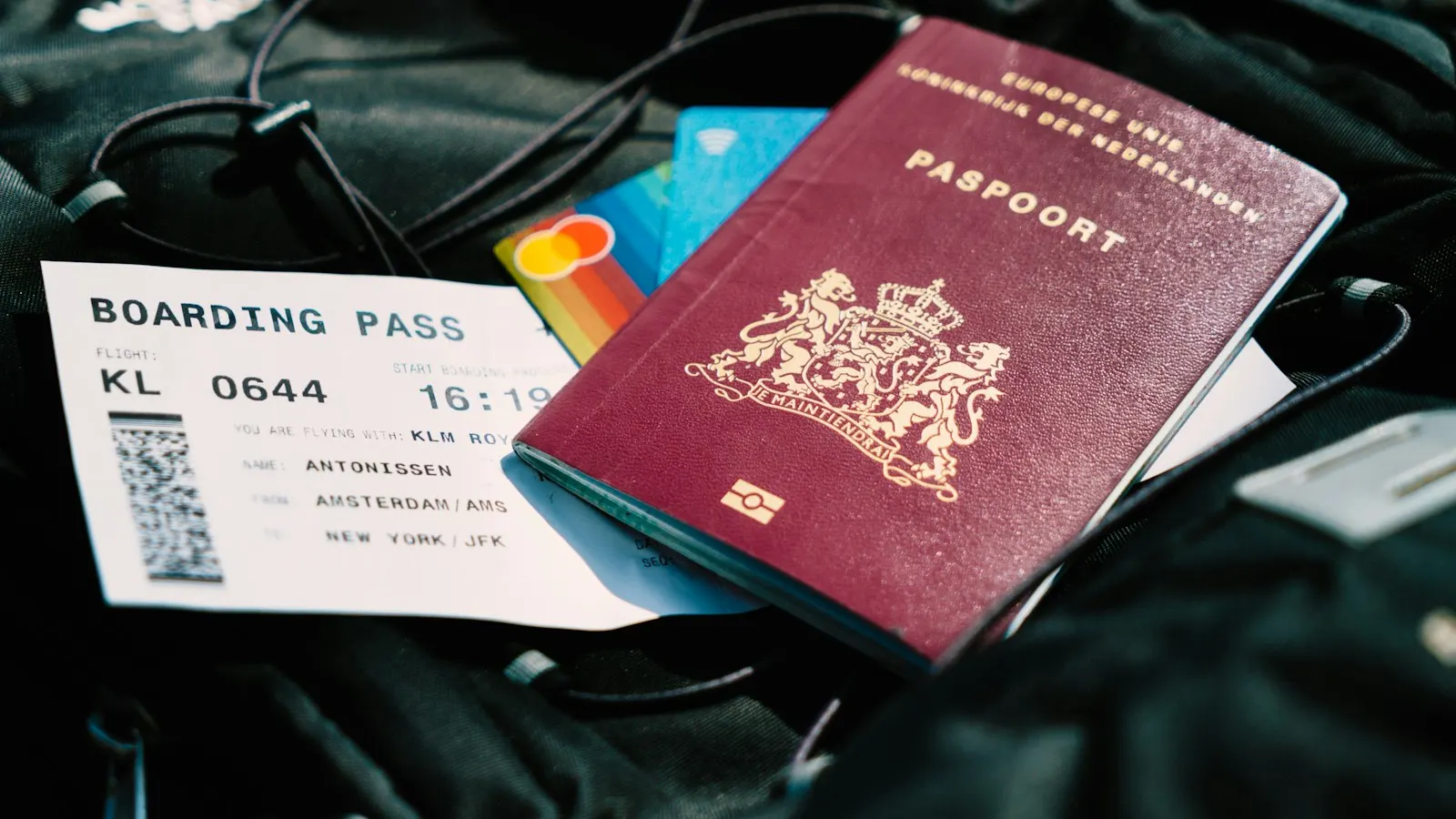
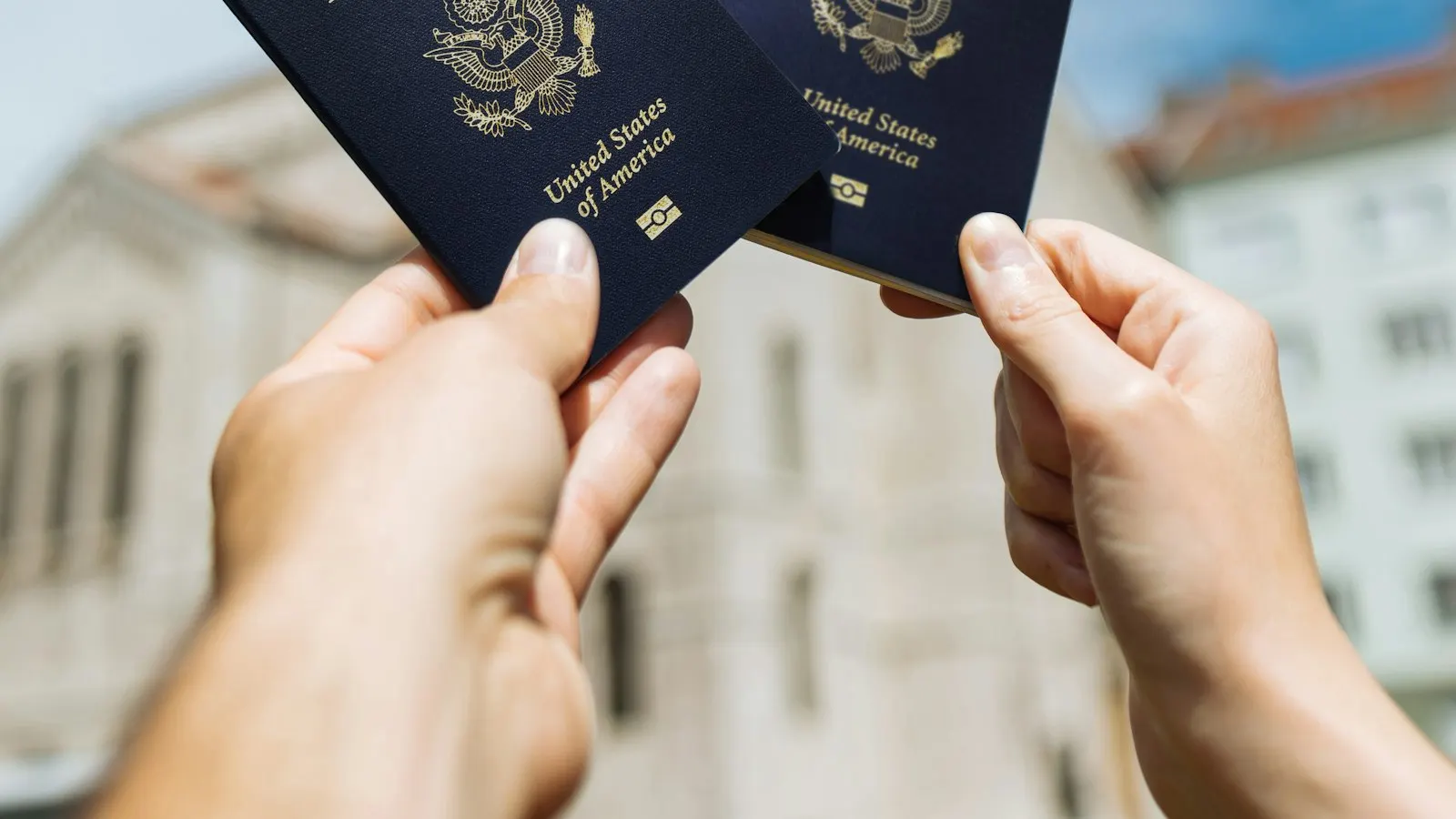
- Travelers should confirm their passport is valid for at least six months before departure.
Travelers from Saudi Arabia and Russia can stay up to 90 days for tourism and business
Starting May 11, 2026, citizens of Saudi Arabia and Russia can travel between the two countries without a visa. According to a summary of the mutual visa-exemption agreement, it takes effect to simplify entry for holders of all passport types, including ordinary, diplomatic, and special passports.
Under the terms of the arrangement, travelers may stay in the host country for up to 90 days — consecutive or not — within a calendar year. The measure is designed to strengthen economic ties and support the tourism sectors in both nations, and follows high-level diplomatic discussions aimed at removing barriers for business and leisure travelers.
What the waiver does and does not cover
The exemption applies to tourism, business meetings, and private visits. It does not cover work, study, or residency, and it does not apply to Hajj. Russian travelers planning a pilgrimage should follow the current official permit and visa rules for religious travel, which are handled separately.
The step makes Russia one of the few non-GCC nations with a comprehensive visa-free arrangement with the Kingdom for holders of ordinary passports.
Part of a wider regional shift toward open borders
The agreement aligns with broader efforts across the Middle East to ease entry for visitors, similar to the planned GCC unified tourist visa, which aims to streamline travel across the region under a single authorization.
Travelers should confirm entry conditions with official sources before departure, and ensure their passport is valid for at least six months from the date of travel.