Key points
- The Entry/Exit System (EES) became fully operational on April 10, 2026, officially replacing physical passport stamps with biometric data.
- The ETIAS launch is now confirmed for the last quarter of 2026, following this mandatory six-month EES stress test.
- Airlines and ferry operators are now legally required to verify traveler entry conditions through a digital interface.
- Travelers currently only need to provide biometrics at the border; the €20 ETIAS fee and application will not be required until the late-2026 rollout.
ETIAS: The EU travel authorization launches in late 2026 but remains optional for six months
The European Union officially entered a new era of border management on April 10, 2026, as the Entry/Exit System (EES) became fully operational across the Schengen Area.
This milestone serves as the critical technical stress test before the European Travel Information and Authorisation System (ETIAS) begins its rollout in the final quarter of the year.
EES launch marks the end of passport stamps
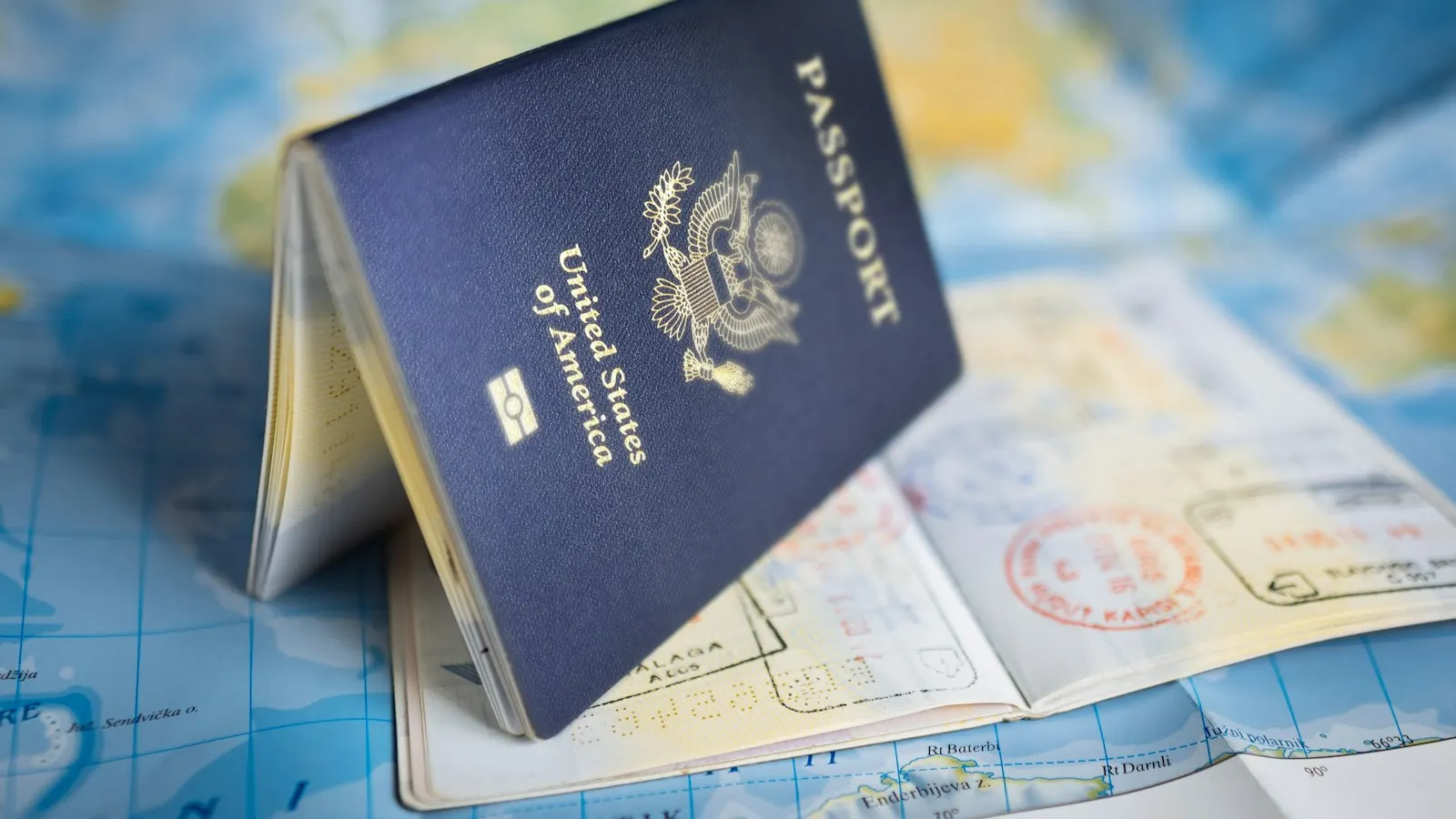
As of this month, travelers from non-EU countries - including the United Kingdom, the United States, and Canada - will no longer receive physical ink stamps in their passports. According to the European Commission, the EES now digitally records the name, type of travel document, biometrics (fingerprints and facial images), and the date and place of entry and exit for every visitor.
The system is currently active in 29 European countries, including popular destinations like France, Italy, Spain, and Germany. While the transition aims to modernize borders, authorities warn that the first time a traveler registers their biometrics at a crossing point, the process may take longer than traditional manual checks.
The six-month countdown to ETIAS
The successful activation of EES is the final green light for ETIAS. The EU’s official reporting updated on April 22, 2026, confirms that ETIAS is scheduled to launch in the last quarter of 2026.
“10 April 2026 marks a significant milestone in European border security as the Entry/Exit System (EES) becomes fully operational… By digitally tracking who enters and leaves the Schengen area, we are well equipped to identify overstayers,” says Commissioner for Internal Affairs and Migration Magnus Brunner.
The next six months act as a trial period for the underlying databases. Because ETIAS relies on the data collected by EES to perform security screenings, this window allows the EU to calibrate its risk indicators and ensure that the Carrier Interface - the system airlines use to verify traveler status - is functioning perfectly.
New carrier obligations now in force
Another major shift this April involves the transportation industry. As of April 10, airlines, sea carriers, and international coach operators are now legally required to use the eu-LISA Carrier Interface to verify if a passenger has a valid visa or entry permission.
This infrastructure is the exact same tool that will be used to check for an approved ETIAS starting in late 2026. By mandating its use now for visa-holders, the EU is ensuring that every transport company is digitally connected before the millions of visa-exempt travelers are added to the requirement.
What this means for travelers
If you are a visa-exempt national, and planning to travel to Europe between now and late 2026, you do not need to apply for an ETIAS yet. However, you will be required to provide fingerprints and a facial scan at the border under the new EES rules.
While Ireland has opted out of EES and ETIAS to maintain its Common Travel Area with the UK, Cyprus will implement ETIAS but currently remains outside the EES biometric tracking database.
Once ETIAS officially launches later this year, it will be followed by a six-month transitional period. During this time, the requirement will be optional, allowing travelers to enter even if they haven’t applied yet, provided it is their first time crossing the border since the launch. This is followed by a six-month grace period with stricter but still non-punitive enforcement.